Nephrology

Nephrology

Managing Kidney Disease Without Dialysis: Is It Possible? 

Managing Kidney Disease Without Dialysis: Is It Possible? Hearing that you may need dialysis can be really scary. A lot of people think that if they have kidney disease, they will have to go on dialysis. This is not always the case. If kidney disease is found early and treated, it is possible to manage it without dialysis.  If you are looking for Kidney Disease Treatment in Mumbai, it is an idea to learn about the options that do not involve dialysis. This can help you make choices and feel less worried about what is going to happen. With the help of a doctor who knows a lot about kidneys, like Dr. Chandan Chaudhari, in Mumbai, many people are able to slow down the kidney disease and put off dialysis. Sometimes they do not need it at all.  Understanding Kidney Disease: Slowing the Progression Your kidneys do a lot of work. They filter out the stuff, balance the fluids in your body, and make sure you have the right amount of minerals. When your kidneys start to get weaker, your body can still handle it for a long time.  Dialysis is usually only needed when things get really bad. This happens when:  Kidney function gets very low, like below 10 to 15 percent  There is much waste in your blood  You get very swollen  You have trouble breathing  Your potassium levels get too high, and that can be very dangerous  But before it gets to this point, there is a lot of time where you can get treatment, and you do not need dialysis. Your kidneys are very important, and treatment without dialysis is possible, for a time. Kidney function is something that needs to be taken care of and watched closely. Can Kidney Disease Be Managed Without Dialysis? Dialysis becomes necessary only when the kidneys lose a significant amount of their function, typically at Stage 5 or what doctors call End-Stage Renal Disease (ESRD). If you’re diagnosed before reaching that point, there are several ways to manage the condition and protect your remaining kidney function.  Here’s what an effective kidney disease management plan typically looks like:  Controlling the Root Cause A lot of people in Mumbai get kidney disease because of diabetes and high blood pressure. These two problems can hurt the kidneys badly over time without us even knowing it. If we take the medicine and make some changes to our daily life, we can slow down the kidney disease.  This is very important for people who have kidney disease. For people with kidney disease, keeping diabetic kidney disease under control is crucial. When we keep our blood sugar levels under control, it can make a difference in how our kidneys work over time. Managing diabetic kidney disease is key to taking care of our kidneys.    A Kidney-Friendly Diet The food you eat has an impact on your Kidney-Friendly Diet and how hard your kidneys have to work. When you follow a diet that a doctor who specializes in kidneys, a nephrologist, recommends, it can make a difference. This Kidney-Friendly Diet limits certain things, such as:  Sodium because it helps reduce fluid retention and blood pressure  Potassium and phosphorus, because they can cause problems if you have too much of them  Too much protein because it can make your kidneys work even harder  Following a Kidney-Friendly Diet can really help slow down kidney disease. This is not about eating little food. It is about making smart choices with the food you eat for your Kidney-Friendly Diet.  The Right Medications Certain medications help protect the kidneys from damage. These include medicines that reduce protein leakage in the urine. They also control blood pressure in the vessels of the kidneys. Additionally, they manage complications, like anaemia or bone disease, that often come with CKD.  Your nephrologist will create a plan that suits your condition. They will not use a one-size-fits-all approach. The plan will be tailored to your needs.  Regular Monitoring Kidney disease doesn’t always give obvious warning signs. Regular blood tests (creatinine, eGFR), urine tests, and blood pressure monitoring allow your doctor to track how well the kidneys are functioning and adjust the treatment plan before things worsen.  This approach is commonly used in Kidney Dialysis Treatment in Mumbai, particularly for patients who want to delay dialysis safely. When Does Dialysis Become Necessary? It is important to have expectations. Dialysis is a life-saving treatment, not a sign of failure. A kidney doctor will usually suggest dialysis when:  Your kidney function drops to a point where harmful toxins are causing severe symptoms.  Fluid buildup starts to affect your heart or lungs.  Medications and diet changes are no longer enough to keep your electrolyte levels balanced.  By starting kidney disease treatment you give yourself the best chance to stay in the pre-dialysis phase for as long as possible, with kidney disease treatment Take the Next Step for Kidney Care Kidney disease does not always mean dialysis. With early treatment, proper medications, diet changes, and control of conditions like diabetes and high blood pressure, kidney function can often be managed effectively. Regular monitoring and timely medical care help slow disease progression and reduce complications.  For those considering diabetic kidney disease treatment in Mumbai, consulting Dr. Chandan Chaudhari, Kidney Transplant Specialist, can help determine the most suitable non-dialysis treatment approach based on individual kidney health. 

Nephrology

Swelling in Feet: Could It Be Related to Kidney Function?

Swelling in Feet: Could It Be Related to Kidney Function? Have you seen your feet or ankles get swollen? It just won’t go away? Lots of people think it’s okay, they think it’s because they stood for long, traveled a lot, or ate too much salt. Sometimes, when your feet keep swelling and you don’t know why, it can be an early sign that your kidneys are not working properly. Your kidneys help get rid of fluid in your body, and when they don’t work properly, that extra fluid starts to build up. And you might first see it in your feet. If you’re getting feet and you don’t know why, you should know when it’s nothing to worry about and when you need to see a Kidney Transplant Specialist in Mumbai to get checked. Why Do the Kidneys Cause Swelling? Your kidneys do a lot of work every day. They filter out the stuff, make sure you have the right amount of fluids, and keep the right levels of minerals in your blood. When your kidneys start to get a little weaker, things can get out of balance. When your kidneys are not working well, extra fluid can build up in your body. This extra fluid usually ends up in your feet, ankles, and legs because of gravity. Doctors call this condition edema. So, if you notice that your feet and ankles are looking a bit swollen, it might not just be because you are tired. It could be that your kidneys need some help. Your kidneys are trying to tell you something. Is swelling in the feet always a Kidney Problem? Not necessarily. Swollen feet can be caused by several conditions, including: • Heart disease — when the heart can’t pump blood efficiently• Liver problems — affecting protein levels in the blood• Prolonged standing or sitting — causing temporary fluid pooling• Certain medications — like blood pressure medicines or steroids• Pregnancy — especially in the third trimester However, kidney-related swelling tends to come with other noticeable signs. Watch out if you also experience: • Reduced urine output or foamy/bubbly urine• Persistent fatigue and weakness• Loss of appetite or nausea• Puffiness around the eyes, especially in the morning• High blood pressure that’s difficult to control If you’re ticking more than one of these boxes, it’s time to take this seriously. How Kidney Disease Is Diagnosed A nephrologist may recommend a few simple tests to check kidney function: Blood Tests: These measure creatinine and urea levels to assess how well your kidneys are filtering. Urine Tests: To detect protein leakage, infection, or kidney damage. Ultrasound: This helps evaluate kidney size and structure. Blood Pressure Check: High blood pressure is both a cause and result of kidney disease. These tests help determine whether swelling is related to kidney function or another issue. Steps to Protect Your Kidneys Today: Monitor Salt Intake: Reduce processed foods that hide “salt bombs.”• Stay Hydrated: Drink water based on your body’s needs, but don’t overdo it if you already have swelling.• Manage Blood Pressure: Keep your numbers in check to prevent “scarring” of the kidney’s filters.• Regular Screenings: A simple blood test (Creatinine) and urine test can tell you exactly how your kidneys are doing. How Is Kidney-Related Swelling Treated? Treatment depends on the underlying kidney condition. Options may include: • Medications to remove excess fluid• Salt restriction• Blood pressure control• Diabetes management• Lifestyle changes• Kidney disease monitoring In advanced kidney damage, a Nephrologist in Mumbai may evaluate whether a transplant is required. Don’t Ignore Swelling in Your Feet Swelling in the feet is often dismissed as a minor issue, but it can sometimes be your body’s early warning sign. Kidney disease often develops silently, and symptoms appear only when the condition progresses. Paying attention to small changes like foot swelling can help detect kidney problems early. If you or your loved one is experiencing persistent swelling, consulting an experienced Kidney Transplant Specialist in India like Dr. Chandan Chaudhari can help identify the cause and start the right treatment at the right time.

Nephrology

The Connection Between Gut Health and Urinary Infections: What the Specialist Says

The Connection Between Gut Health and Urinary Infections: What the Specialist Says Urinary infections are often blamed on hygiene, low water intake, or holding urine for too long. But what if the real issue starts in your gut? Many patients are surprised to learn that poor gut health can directly increase the risk of urinary infections. This hidden connection is something specialists are now paying close attention to, especially when patients experience recurring infections. Understanding this gut–urinary relationship plays a key role in managing symptoms and preventing recurrence. Proper evaluation and timely Urinary Tract Disorders Treatment in Mumbai not only focuses on treating the infection but also addresses underlying causes like gut imbalance, helping improve long-term urinary health. How Gut Health Affects Your Urinary System Your gut contains trillions of bacteria- both good and bad. When this balance is disturbed, harmful bacteria can multiply and travel from the digestive system to the urinary tract. This is one of the most common causes of urinary infections. Here’s how it happens:• Harmful gut bacteria like E. coli increase• These bacteria move from the intestine to the urinary tract• The urinary tract becomes inflamed and infected• Recurrent UTIs may develop When gut health is weak, your body’s natural defense system also becomes weaker. This makes it easier for infections to return even after treatment. That’s why specialists offering urinary tract treatment in Mumbai often evaluate digestive health along with urinary symptoms. The Red Flags: When Your Body Is Calling for Help Our bodies are great at giving us signals. For urinary issues, these “red flags” often include:• A strong, persistent urge to urinate, even if very little comes out.• A burning sensation or sharp pain during urination.• Urine that looks cloudy, dark, or reddish (a sign of blood).• Strong-smelling urine that doesn’t go away with extra water.• Pain in the lower abdomen or lower back/flanks. Why Recurrent UTIs Keep Coming Back Some patients get relief after medication, but infections return within weeks. This usually happens because the underlying gut imbalance is not addressed. Key reasons include: Overuse of AntibioticsAntibiotics kill harmful bacteria but also remove good bacteria from your gut. This creates imbalance and increases infection risk. Poor DietHigh sugar, processed foods, and low fiber can promote harmful bacterial growth. Low ImmunityWeak immunity allows bacteria to multiply easily. DehydrationLow water intake reduces flushing of bacteria from the urinary tract. A specialist providing Urinary Tract Disorders Treatment will often recommend lifestyle changes along with medical treatment. Simple Habits to Protect Your Urinary Health Mumbai’s heat and humidity mean we need to be extra careful about hydration. Here are a few simple ways to stay healthy:• Drink 8-10 glasses of water daily: This is the best way to “flush” your system.• Don’t “Hold it in”: Empty your bladder as soon as you feel the urge to prevent bacteria buildup.• Hygiene Matters: For women, always wipe from front to back to avoid spreading bacteria.• Post-Activity Care: Urinating after intimacy helps clear the urethra of any unwanted guests. The Specialist’s Take on Gut and Urinary Health According to experts, treating only the infection is not enough. The focus should be on restoring gut balance to prevent recurrence. Patients who follow gut-friendly lifestyle changes often see fewer infections and better urinary health. This is why modern Urinary Tract Disorders Treatment in Mumbai includes both medical and lifestyle-based management. Your Next Step Toward Better Urinary Health The connection between gut health and urinary infections is stronger than many people realize. Poor gut balance can increase harmful bacteria, weaken immunity, and lead to recurring UTIs. By improving digestion, hydration, and diet, patients can significantly reduce infection risk. If you’re experiencing repeated symptoms, consulting a specialist for Urinary Tract Treatment in Mumbai can help identify the root cause and provide lasting relief. Dr. Chandan Chaudhari emphasizes a holistic approach that focuses on both gut health and urinary care for better long-term outcomes.

Nephrology

How to Prevent Kidney Stones and Know When Surgery Is the Right Option

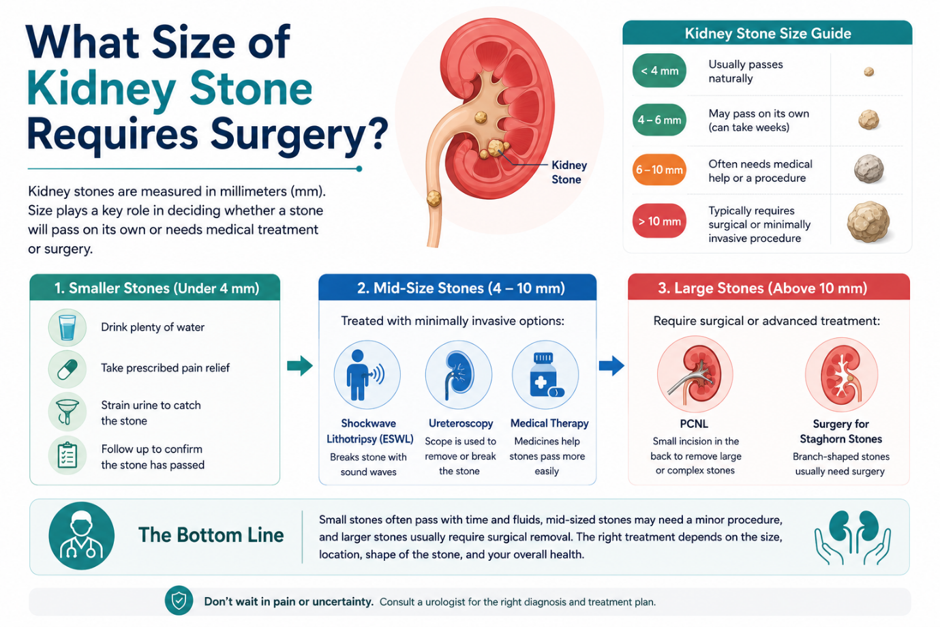
How to Prevent Kidney Stones and Know When Surgery Is the Right Option Introduction Normally, kidney stones remain silent and come out suddenly, causing sharp pain that can even disrupt normal functioning. Not many people pay attention to the first signs, and some of them even use home remedies that can end up worsening their condition. The great thing is that the majority of kidney stones can be avoided, and if it happens that treatment is required, we today have many medical ways that are both safe and effective. Going through the right treatment program of kidney stone in Mumbai could pave the way to a timely diagnosis, efficient management, and permanent relief with a low rate of complications. Understanding Kidney Stones Kidney stones are small, hard lumps of mineral that often form in our kidneys. The main cause for renal stone formation is usually inadequate water intake, which leads to the concentration of the urine, resulting in the formation of crystals. Gradually, these crystals combine to form stones. In fact, some kidney stones are so tiny that they can be flushed out of the body without the person even realizing it. On the other hand, larger stones have a tendency to get lodged in the urinary tract, which can cause blockage, severe pain, and other symptoms of discomfort. How to Prevent Kidney Stones Prevention is always better than cure, especially with kidney stones, which have a high chance of recurring if lifestyle is not corrected. 1. Stay Well HydratedThe most important step is drinking enough water. Proper hydration helps dilute urine and prevents crystal formation. 2. Reduce Salt IntakeHigh intake of salt will lead to increased calcium levels in your urine, which will in turn make stones more likely. 3. Maintain a Balanced DietIf you tend to develop stones, it would be better to avoid eating too much oxalate-rich foods like spinach and chocolate. 4. Do Not Ignore CalciumCalcium-rich foods actually help prevent stone formation. 5. Restrict Your Animal Protein IntakeIntake of excess protein leads to higher levels of uric acid, and hence, more chances of getting kidney stones. 6. Stay Active and Maintain WeightObesity and a sedentary lifestyle are known risk factors for kidney stones. When is Surgery Required for Kidney Stones? Not all kidney stones need to undergo surgical treatment. Stones smaller than 5 millimeters may naturally pass using medical expulsive therapy through drinking lots of water and some medicines. On the other hand, kidney stone surgery in Mumbai becomes the best treatment procedure when: 1. The Stone is Too Large: Stones measuring above 6–7 millimeters usually cannot naturally pass out of the body. 2. Severe Pain: There will be no respite from pain, and it needs to be treated surgically if there is unending pain. 3. Frequent UTI Infections: The presence of UTI and fever due to kidney stones. 4. Kidney Function is at Risk: If the stone is obstructing urine flow, it can lead to permanent kidney damage if left untreated. Modern Treatment Options Today, treatment is far more advanced and minimally invasive compared to traditional surgery. ● Laser Lithotripsy/RIRS – Breaks stones into tiny particles without cuts● ESWL (Shock Wave Therapy) – Uses sound waves to break stones● PCNL (Keyhole Surgery) – Used for large or complex stones Such treatments are fast, painless, and highly successful. For cases requiring expert intervention, you can be assured of safe and effective surgery for kidney stone in Mumbai. Why Choose Specialist Care for Kidney Stones? Kidney stones can suddenly become very painful, but with correct treatment, patients can expect to be relieved quickly. The major benefit of specialist treatment is that rather than just providing medication to relieve pain, specialists actually find the root cause behind it and provide appropriate treatment. This results in prompt relief, as well as reduced risks of recurrence of kidney stones. Patients will benefit from Dr. Chandan Chaudhari’s experience, as well as advanced treatment methods and professional advice on how to manage their condition effectively. Conclusion Kidney stones can be painful and uncomfortable, but the good part is that they can be prevented and treated effectively with the right care. Understanding the early signs and making simple lifestyle changes like staying hydrated and eating a balanced diet can make a big difference. At the same time, not every stone should be ignored. Getting timely medical advice helps avoid complications and ensures proper treatment when needed. With expert guidance from Dr. Chandan Chaudhari, you cannot only get relief from current symptoms but also learn how to prevent future stones. This approach helps you stay healthy, avoid repeated problems, and maintain better kidney health in the long run.

Nephrology

Why You Need a Nephrologist: Early Signs of Kidney Disease You Shouldn’t Ignore

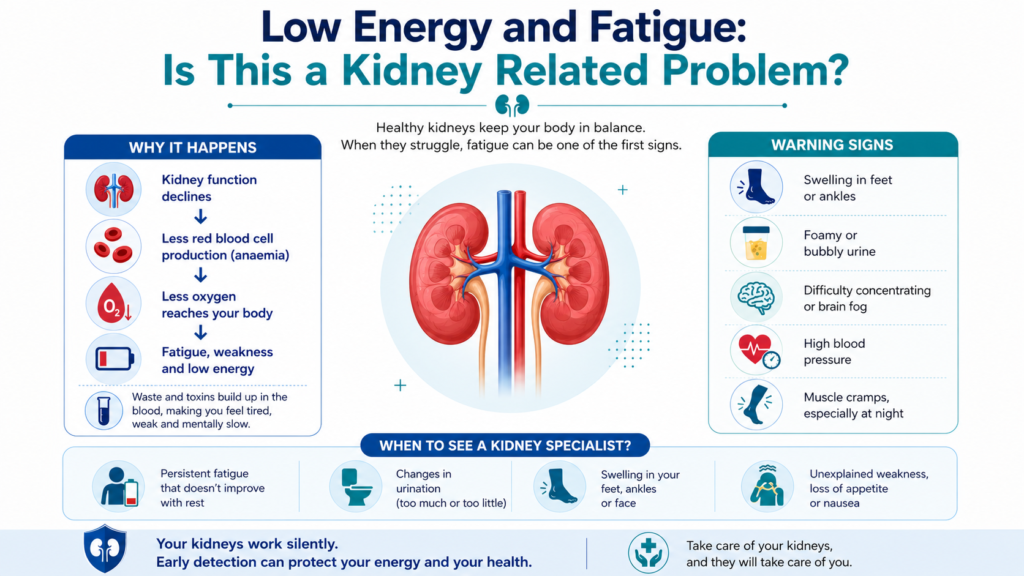
Why You Need a Nephrologist: Early Signs of Kidney Disease You Shouldn’t Ignore For most people, kidney disease doesn’t begin with pain—it begins with silence. No clear warning, no sudden discomfort—just small changes in your body that are easy to ignore.By the time symptoms become serious, the damage may already be significant. That’s why consulting a Nephrologist in Mumbai like Dr. Chandan Chaudhari at the right time is not just important—it can be life-saving. The Silent Threat You Shouldn’t Ignore Your kidneys work 24/7—filtering waste, balancing fluids, and keeping your body in check. But when they start to fail, the signs are often subtle.Many patients only discover the problem during routine tests or when the condition has already progressed. understanding these early warning signs can help you act before it’s too late. Early Warning Signs: What Your Body Is Telling You Kidney disease doesn’t always show clear symptoms in the beginning. However, here are some early warning signs you should pay attention to: Changes in Urination Are you going more often, especially at night? Or noticing foamy, dark, or reduced urine? These can be early red flags. Swelling That Doesn’t Go AwayPuffy feet, swollen ankles, or a bloated face may mean your kidneys are not removing excess fluid properly. Constant TirednessFeeling very tired even after resting? Waste buildup in your body can make you feel low on energy. Loss of Appetite & NauseaIf you suddenly don’t feel like eating or often feel like vomiting, it could mean your kidneys are not working well. High Blood PressureKidneys and blood pressure are closely connected. When one is affected, the other suffers too. The Modern Approach: Early Detection Saves Lives The biggest advantage today is awareness and early diagnosis. A qualified nephrologist focuses not just on treatment—but prevention and long-term kidney health.With timely care, it is possible to: Slow down kidney damage Avoid complications Reduce the need for dialysis Maintain a normal, healthy lifestyle If you are considering Kidney Disease treatment in Mumbai, early consultation can completely change the outcome. Myths vs Facts: Don’t Be Misled When it comes to kidney health, misinformation is common. Let’s clear a few myths: Sr. Myth Fact 1 Kidney disease always causes pain Most early-stage kidney problems are painless and go unnoticed 2 Only older people get kidney disease Diabetes, stress, and lifestyle factors are causing kidney issues even in younger individuals 3 If I feel fine, my kidneys are healthy Kidney disease can progress silently without noticeable symptoms 4 Drinking more water can cure kidney disease Water helps, but it cannot reverse existing kidney damage 5 Dialysis is the only treatment for kidney problems Early-stage kidney disease can often be managed with medication and lifestyle changes Who Should Be Extra Careful? Certain people are at higher risk and should not delay check-ups: Diabetic patients People with high blood pressure Individuals with a family history of kidney disease Those with unhealthy lifestyle habits Regular screening can help detect problems before they become serious. When Should You See a Nephrologist? Don’t wait for severe symptoms. Consult a specialist if you notice: Swelling in your legs, feet, or face Changes in urination patterns Persistent fatigue or weakness High blood pressure that is difficult to control Conclusion Kidney disease doesn’t develop overnight—but ignoring the early warning signs can make it serious. The good news is that with timely care and the right guidance, it can be managed effectively. An experienced nephrologist like Dr. Chandan Chaudhari doesn’t just treat the disease—he helps you protect your long-term kidney health. If your body is showing signs, don’t ignore them. Taking action today can prevent serious complications in the future.

Nephrology

This World Health Day: Simple Steps to Improve Your Kidney Health

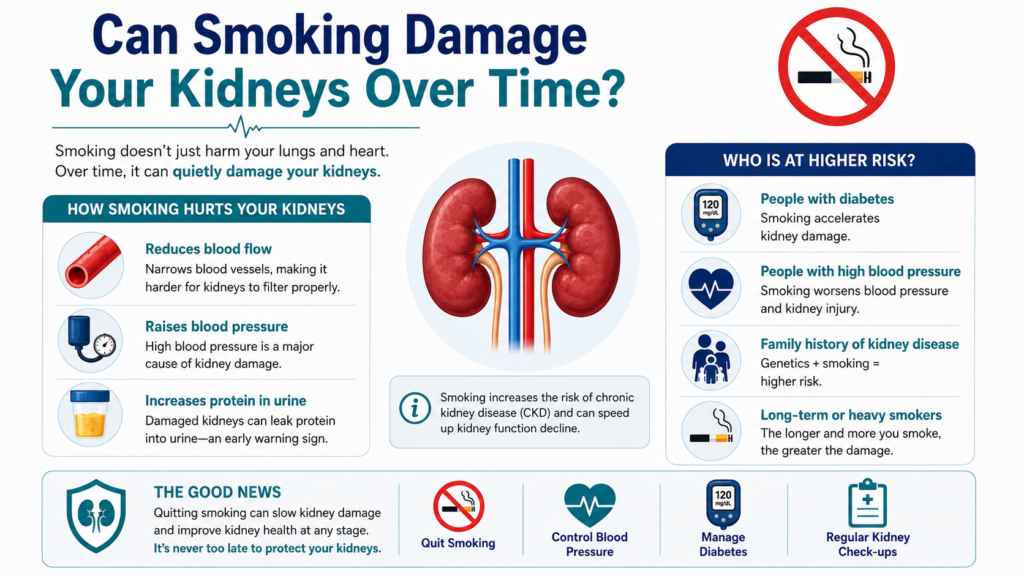
This World Health Day: Simple Steps to Improve Your Kidney Health When was the last time you really thought about your kidneys? Probably not recently—and you’re not alone. These small, bean-shaped organs quietly work 24/7 to remove toxins, balance fluids, and keep your body running smoothly. The problem? Kidney issues often don’t show clear symptoms until they become serious. That’s why this World Health Day is the perfect reminder to start caring for your kidneys before problems begin. With expert guidance from Kidney Transplant Specialist in Mumbai, even small lifestyle changes can make a big difference in protecting your kidney health for the long term. Simple Steps to Improve Your Kidney Health Stay Hydrated for Better Kidney Function : Drinking enough water helps your kidneys flush out toxins and maintain proper function. It also reduces the risk of kidney stones. Try to drink water regularly throughout the day instead of all at once. 2. Monitor Blood Pressure and Blood Sugar: High blood pressure and diabetes are among the leading causes of kidney damage. If not managed properly, they can slowly affect kidney function over time and increase the risk of chronic kidney disease. Regular health check-ups, a balanced diet, and following your doctor’s advice are essential to keep these conditions under control. Important: Early detection can help prevent serious complications and support effective kidney disease prevention. 3. Follow a Healthy, Kidney-Friendly Diet: What you eat every day has a direct impact on your kidney health. A balanced and mindful diet not only supports your kidneys but also reduces the risk of long-term complications. Instead of following strict or complicated diets, focus on simple, home-cooked meals that include fresh fruits, vegetables, whole grains, and foods low in salt. These help reduce the burden on your kidneys and keep your body functioning smoothly. 4. Stay Active and Maintain a Healthy Weight Regular physical activity plays an important role in maintaining kidney health. Exercise helps control weight, improve blood circulation, and reduce the risk of diabetes and high blood pressure—two major causes of kidney disease. You don’t need intense workouts. Even simple activities like walking, yoga, or cycling for 30 minutes daily can make a big difference. Consistency is key—small efforts every day lead to long-term benefits and support overall kidney care. 5. Quit Smoking and Limit Alcohol Smoking reduces blood flow to the kidneys, while excessive alcohol intake can affect kidney function and increase blood pressure. Making healthier lifestyle choices can significantly improve your overall well-being and support kidney disease prevention. 6. Recognize Early Warning Signs Kidney problems often go unnoticed, but some early signs include: Swelling in legs or face Fatigue or weakness Changes in urination Loss of appetite Ignoring these symptoms can lead to serious conditions requiring treatments like dialysis or even a kidney transplant. Early action is always better. 7. Schedule Regular Health Check-Ups Regular health check-ups are one of the most effective ways to detect kidney problems early. Simple tests like blood and urine analysis can provide important insights into your kidney function. If you have risk factors like diabetes or high blood pressure, routine check-ups become even more important. Consulting an experienced nephrologist in Mumbai ensures timely diagnosis and proper treatment. When Should You See a Specialist? If you have diabetes, high blood pressure, or a family history of kidney disease, regular consultation is important. Early diagnosis can prevent complications and improve outcomes. Seeking expert guidance from a Kidney Transplant Specialist in Mumbai can help you understand your condition, manage risks, and receive advanced kidney care when needed. Conclusion Taking care of your kidneys doesn’t require drastic changes—just small, consistent efforts. Staying hydrated, eating a balanced diet, exercising regularly, and going for routine check-ups can go a long way in protecting your kidney health. This World Health Day, make a commitment to prioritize your health and encourage your loved ones to do the same. Prevention is always better than cure. For expert care, advanced treatment options, and personalized guidance, consult Dr. Chandan Chaudhari and take the right step toward a healthier future.

Nephrology

Everything You Need to Know About Chronic Kidney Disease

Everything You Need to Know About Chronic Kidney Disease: Stages, Symptoms, and Care Chronic Kidney Disease (CKD) is a long-term condition where the kidneys gradually lose their ability to function properly. Since kidneys play a vital role in filtering waste and maintaining fluid balance, any decline in their function can affect overall health. If you are looking for Chronic Kidney Disease Treatment in Mumbai, understanding the stages, symptoms, and proper care options, along with expert guidance from Dr. Chandan Chaudhari, can help you make informed decisions and manage the condition effectively. What is Chronic Kidney Disease? Chronic Kidney Disease develops slowly over time and may not show symptoms in its early stages. It often occurs due to conditions like diabetes, high blood pressure, or genetic disorders. Early detection is important to prevent further damage and complications. Stages of Chronic Kidney Disease CKD is divided into five stages based on how well the kidneys are working: Stage 1 (Mild Damage) :Kidney function is normal but there is slight damage present. At this stage, most people do not experience any noticeable symptoms, which makes early detection difficult without medical tests.Stage 2 (Mild Loss of Function) :There is a slight decrease in kidney efficiency, but the kidneys still perform most of their functions properly. Symptoms are usually minimal and may not be easily recognized.Stage 3 (Moderate Damage) :At this stage, waste products begin to build up in the blood as kidney function declines further. Patients may start experiencing symptoms such as fatigue, weakness, and swelling in the body.Stage 4 (Severe Damage) :Kidney function is significantly reduced, and the condition becomes more serious. Symptoms are more noticeable and may require regular medical care and monitoring.Stage 5 (Kidney Failure) :The kidneys can no longer function properly, leading to a critical condition. At this stage, treatments such as dialysis or a kidney transplant may be required to sustain life. Common Symptoms of CKD If you notice these symptoms, it is important to consult a kidney specialist early. In many cases, symptoms appear only in later stages. Some common signs include: Constant fatigue and weakness Swelling in legs, ankles, or face Changes in urine (frequency, color, or amount) Shortness of breath Nausea or vomiting Difficulty concentrating High blood pressure Causes and Risk Factors Managing these risk factors can help slow down disease progression. Several conditions can increase the risk of CKD: Diabetes High blood pressure Heart disease Family history of kidney problems Obesity Smoking Diagnosis and Monitoring Doctors use several tests to diagnose and monitor Chronic Kidney Disease. Blood tests are conducted to check how well the kidneys are functioning, while urine tests help detect the presence of protein or other abnormalities. Imaging tests such as ultrasounds are also used to examine the structure of the kidneys. In addition, regular monitoring of blood pressure is important, as it is closely linked to kidney health. Early diagnosis plays a key role in planning effective treatment and improving overall outcomes. Treatment and Care Options While CKD cannot always be reversed, proper treatment can slow its progression and improve quality of life.1. Lifestyle Changes :Maintaining a balanced diet is essential for kidney health, along with reducing the intake of salt and processed foods. Staying physically active helps improve overall well-being, while avoiding smoking and alcohol further protects the kidneys from additional damage.2. Medications :Medications are important in managing Chronic Kidney Disease, as they help control blood pressure and diabetes, manage cholesterol levels, and reduce swelling and fluid buildup in the body.3. Advanced Care :In more advanced stages of the disease, treatments such as dialysis may be required to support kidney function, and in some cases, a kidney transplant may be necessary. Regular follow-ups with a nephrologist are essential for effective management.4. Importance of Early Care :Early care can prevent complications such as heart disease, bone problems, and complete kidney failure. With proper medical guidance, many patients live a stable and active life even with CKD. Conclusion Chronic Kidney Disease is a serious but manageable condition when detected early and treated properly. Understanding its stages, recognizing symptoms, and following the right care plan can make a significant difference in long-term health. If you are searching for Chronic Kidney Disease Treatment in Mumbai, consulting an experienced nephrologist ensures personalized care, timely intervention, and better outcomes for your kidney health.

Nephrology

Kidney Transplant Surgery

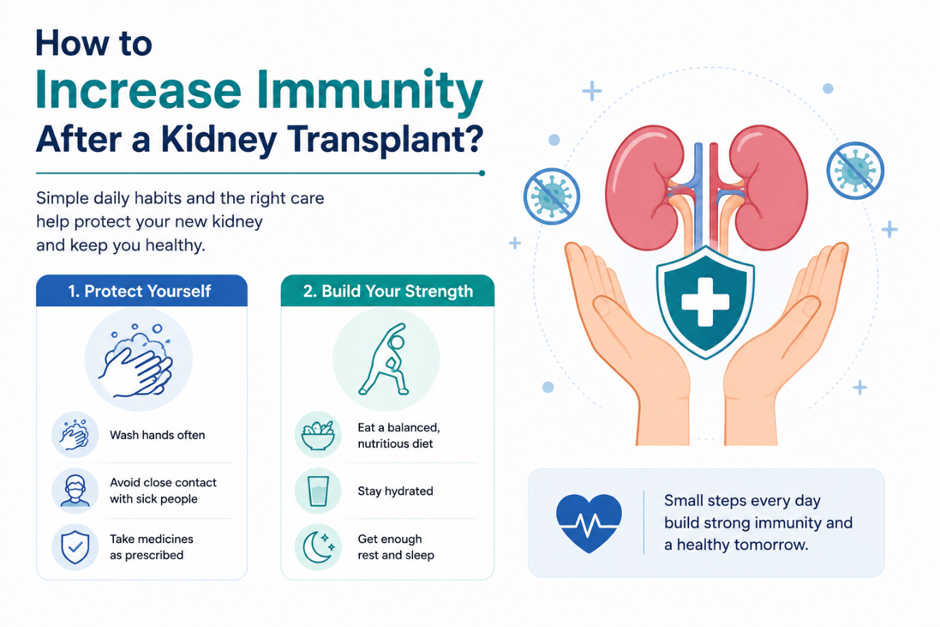
Kidney Transplant Surgery: What to Expect Before, During & After the Procedure Kidney failure can have a serious impact on overall health and daily life, making timely and effective treatment essential. With advancements in medical science, kidney transplantation has become one of the most reliable and effective solutions for long-term recovery and improved quality of life.A kidney transplant is a major medical procedure that can greatly improve the quality of life for patients suffering from kidney failure, especially when choosing a Kidney Transplant Specialist in Mumbai under the expert care of Dr. Chandan Chaudhari. Understanding the complete process from surgery to recovery helps patients and their families feel more confident and well-prepared for the journey ahead. The Transplant Surgery: What to Expect When a suitable kidney is available and confirmed, you will proceed to surgery. This is an important stage in the transplant process. Proper preparation and the right medical guidance play a key role in ensuring a smooth and successful procedure. Before Surgery Before the transplant surgery, you will be admitted to the hospital for final preparations. During this time, several important steps will be completed to ensure you are ready for the procedure.1. Pre-Surgical Check-In: You’ll be admitted to the hospital.2. Pre-Operative Preparation: Blood tests, chest X-ray, and an IV line will be placed.3. Meeting the Team: You’ll meet your surgeon, anesthesiologist, and nurses who will explain the procedure and answer any last-minute questions. During Surgery The kidney transplant surgery is performed under general anesthesia, ensuring that you are asleep and comfortable throughout the procedure.1. Anesthesia: You will be given general anesthesia, so you will be asleep and feel no pain.2. Placement: The new kidney is typically placed in your lower abdomen, usually on the right or left side, separate from your own kidneys (which are usually left in place unless they cause problems).3. Connections: The surgeon will connect the new kidney’s artery and vein to your blood vessels, and the ureter (tube carrying urine) to your bladder.4. Duration: The surgery usually takes 3–5 hours. After Surgery (Immediate Post-Op) After the surgery is completed, you will be closely monitored to ensure a smooth and safe recovery.1. Post-Operative Care Unit: After surgery, you are monitored in a specialized post-operative care unit, with transfer to the ICU if needed.2. Tubes and Lines: You’ll have various tubes for monitoring, including an IV line, a urinary catheter, and possibly a drain near the incision.3. Pain Management: Pain medication will be provided to keep you comfortable.4. Early Mobilization: You will be encouraged to get up and move as soon as possible to aid recovery. Life After Transplant: The Recovery Phase The recovery phase after a kidney transplant is equally important as the surgery itself. It involves careful monitoring, medication management, and gradual return to normal activities.The initial recovery period usually includes a hospital stay of about 5–10 days, followed by several weeks or months of close monitoring at home. Hospital Stay During your hospital stay, your medical team will closely observe your progress and guide you through the next steps of recovery.1. Monitoring: Your new kidney function will be closely monitored through blood tests and urine output.2. Medication Education: You will receive extensive education on your new medications, especially immunosuppressant.3. Diet and Activity: You will gradually return to a normal diet and increase your activity levels. First Few Weeks/Months at Home Once discharged, you will continue your recovery at home with regular follow-ups and necessary precautions.1. Frequent Follow-Ups: You’ll have frequent blood tests and clinic visits to ensure the kidney is functioning well and to adjust medications.2. Activity Restrictions: You’ll need to avoid heavy lifting and strenuous activity initially to allow your incision to heal.3. Infection Prevention: You’ll be given instructions on how to minimize your risk of infection.4. Emotional Adjustment: It’s common to experience a range of emotions. Lean on your support system and communicate with your team. Conclusion Kidney transplant surgery is a life-saving procedure that requires proper understanding, preparation, and post-operative care. By knowing what to expect before, during, and after the surgery, patients can approach the process with greater confidence and clarity. Choosing a Kidney Transplant in Mumbai under the expert guidance of Dr. Chandan Chaudhari ensures advanced treatment, personalized care, and better outcomes. With the right medical support and careful follow-up, recovery can be smooth, helping patients return to a healthier and more active life.

Nephrology

Understanding Kidney Donors

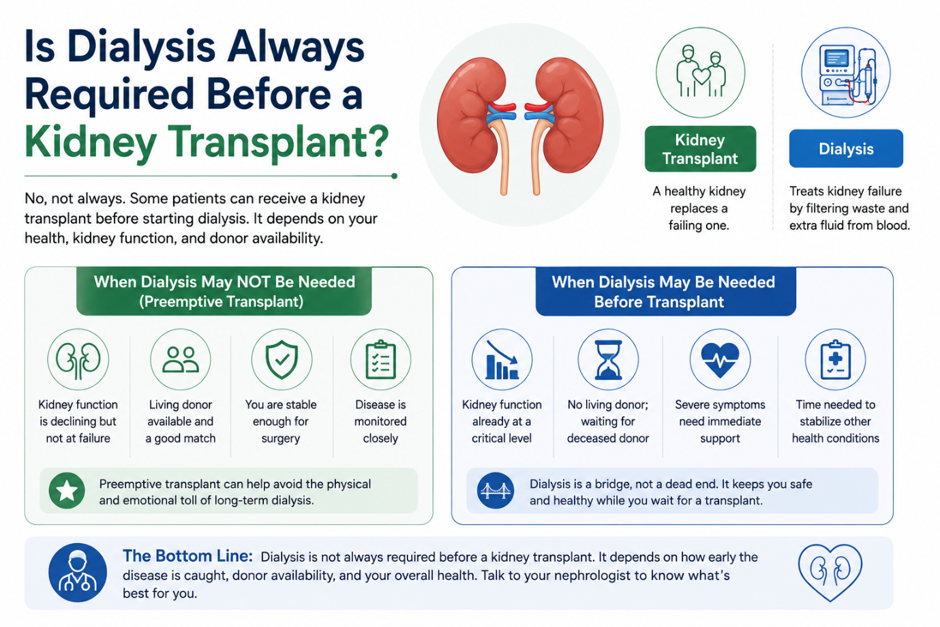
Understanding Kidney Donors: Living vs Deceased Transplant Options Kidney transplantation is often the most effective treatment for patients suffering from end-stage kidney disease. When the kidneys are no longer able to properly filter waste and excess fluids from the body, a transplant can significantly improve a patient’s quality of life and long-term health outcomes.One of the most important steps in the transplant process is finding a suitable kidney donor. Donor kidneys generally come from two main sources. Understanding these options helps patients and families make informed decisions about their treatment and transplant journey, especially when guided by experienced professionals such as Dr. Chandan Chaudhari, a trusted name for Kidney Transplant in Mumbai. What Is a Kidney Transplant? A kidney transplant is a surgical procedure in which a healthy kidney from a donor is placed into a patient whose kidneys are no longer functioning properly. The transplanted kidney takes over the function of filtering blood, removing waste products, and maintaining the body’s fluid and electrolyte balance.Kidney transplants can provide several benefits compared to long-term dialysis, including improved energy levels, better overall health, and a longer life expectancy. Sources of Kidney Donors :There are two main types of kidney donors:1. Deceased Donor Kidney Transplant2. Living Donor Kidney TransplantEach option has its own process, advantages, and waiting time. Deceased Donor Kidney Transplant A deceased donor transplant involves receiving a kidney from a person who has been declared brain dead but whose organs remain healthy for donation. With the consent of the donor’s family, organs can be donated to patients who are waiting for life-saving transplants. How the Process Works :Patients who need a kidney transplant are placed on a national organ transplant waiting list. When a kidney becomes available, transplant teams match it with the most suitable recipient based on several factors, including:1. Blood group compatibility2. Tissue matching3. Body size and organ suitability4. Medical urgency5. Time spent on the waiting listOnce a suitable match is identified, the transplant team immediately contacts the patient to prepare for surgery. Waiting Time :The waiting period for a deceased donor kidney can vary significantly. In many cases, patients may need to wait two to five years or longer depending on blood type, tissue compatibility, and the availability of donor organs in the region. Although the waiting time may be long, deceased donor transplants provide a life-saving option for patients who do not have a living donor. Living Donor Kidney Transplant A living donor transplant occurs when a healthy individual donates one of their kidneys to a patient with kidney failure. Since a person can live a healthy life with only one kidney, living donation is considered safe when proper medical evaluation is performed.In many cases, living donors are close family members, such as parents, siblings, children, or spouses, depending on local transplant regulations. How the Process Works :1. Evaluation of Donor & Recipient: Both donor and recipient undergo detailed medical tests to ensure compatibility and overall fitness for surgery.2. Matching & Approval: Blood group compatibility, tissue matching, and legal clearances are completed as per transplant guidelines.3. Surgical Planning: Once approved, the transplant surgery is carefully scheduled at a suitable time for both donor and recipient.4. Transplant Procedure: The donor kidney is surgically removed and transplanted into the recipient during a planned operation.5. Recovery & Follow-Up: Both donor and recipient are closely monitored after surgery, with regular follow-ups to ensure long-term health and success. Benefits of Living Donor Transplants :Living donor kidney transplants offer several advantages compared to deceased donor transplants.1. Shorter Waiting Time: The transplant procedure can be scheduled once the donor and recipient complete medical evaluations, significantly reducing waiting time.2. Better Long-Term Success: Kidneys from living donors generally function longer and have higher success rates.3. Planned Surgery: Because the procedure is scheduled in advance, the transplant team can prepare carefully, improving overall outcomes.4. Safe Donation Process: Healthy donors undergo detailed medical testing to ensure that kidney donation will not affect their long-term health. Most donors recover quickly and return to normal activities within a few weeks. Modern Kidney Transplant Techniques for Better Donor Matching ABO Incompatible Kidney Transplant EXPLANATION : In this type of transplant, the donor and recipient may have different blood groups. Special treatments and medications are used before and after surgery to reduce rejection risk. BENEFIT FOR PATIENTS : Increases the chances of finding a a suitable donor even if blood groups do not match. 2. Paired Kidney Exchange Program EXPLANATION : When a living donor is not compatible with their intended recipient, two or more donor–recipient pairs are matched to exchange kidneys. BENEFIT FOR PATIENTS : Helps patients receive a compatible kidney and reduces waiting time. 3. Pre-emptive Kidney Transplant EXPLANATION : A transplant performed before a patient needs long-term dialysis treatment. BENEFIT FOR PATIENTS : Improves long-term health outcomes and avoids dialysis complications. 4. Desensitization Therapy EXPLANATION : Special medical treatments are used to reduce antibodies in the recipient’s body before transplant surgery. BENEFIT FOR PATIENTS : Makes transplantation possible even when there is a higher risk of rejection. Conclusion Both deceased donor and living donor kidney transplants play a vital role in saving the lives of patients with kidney failure. While deceased donor transplants depend on organ availability and may involve longer waiting times, living donor transplants offer faster access to surgery and often better outcomes. For those considering a Kidney Transplant Specialist in Mumbai, expert care from specialists like Dr. Chandan Chaudhari can make a significant difference in treatment success. Patients should discuss all available options with their transplant specialist to determine the most suitable approach. With proper medical guidance and support, kidney transplantation can significantly improve survival, health, and overall quality of life.

Scroll to Top