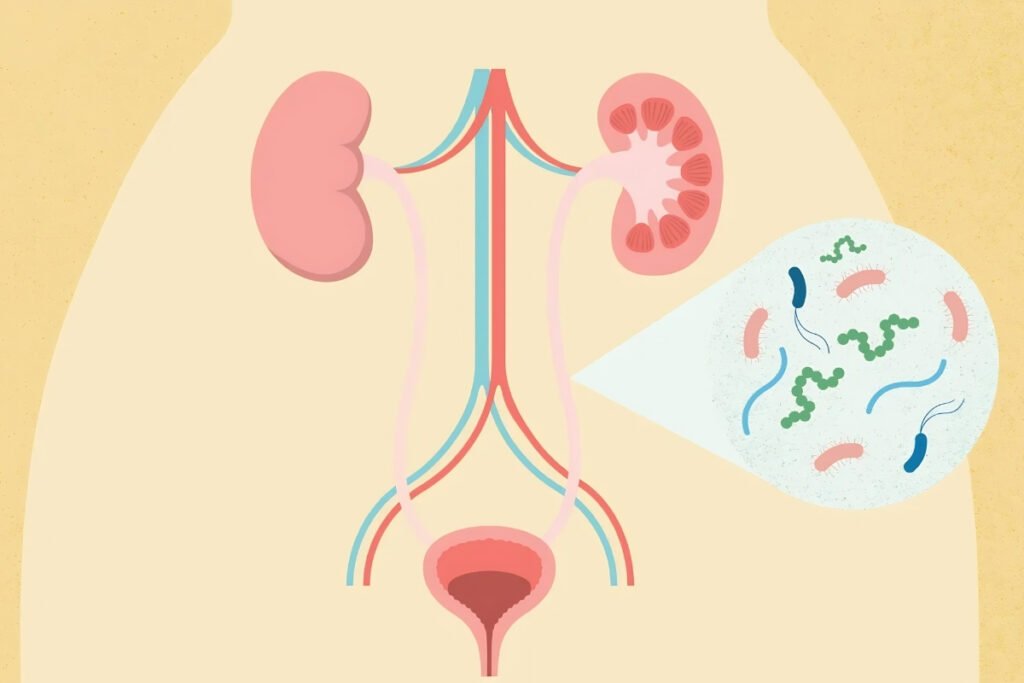

Nephrology

Nephrology

Why You Need a Nephrologist: Early Signs of Kidney Disease You Shouldn’t Ignore

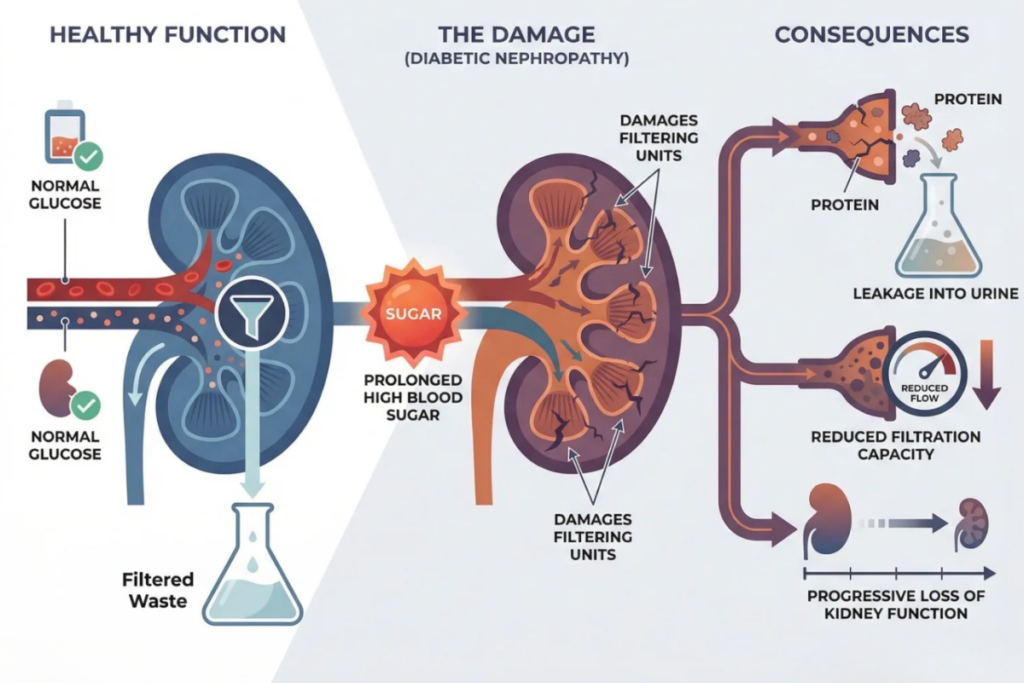
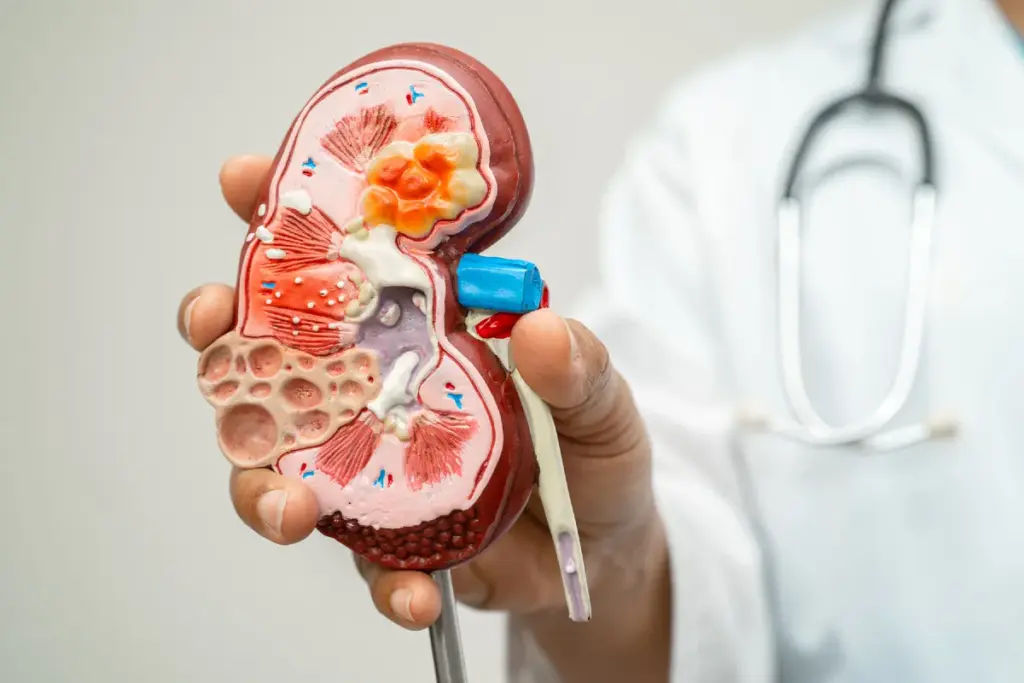
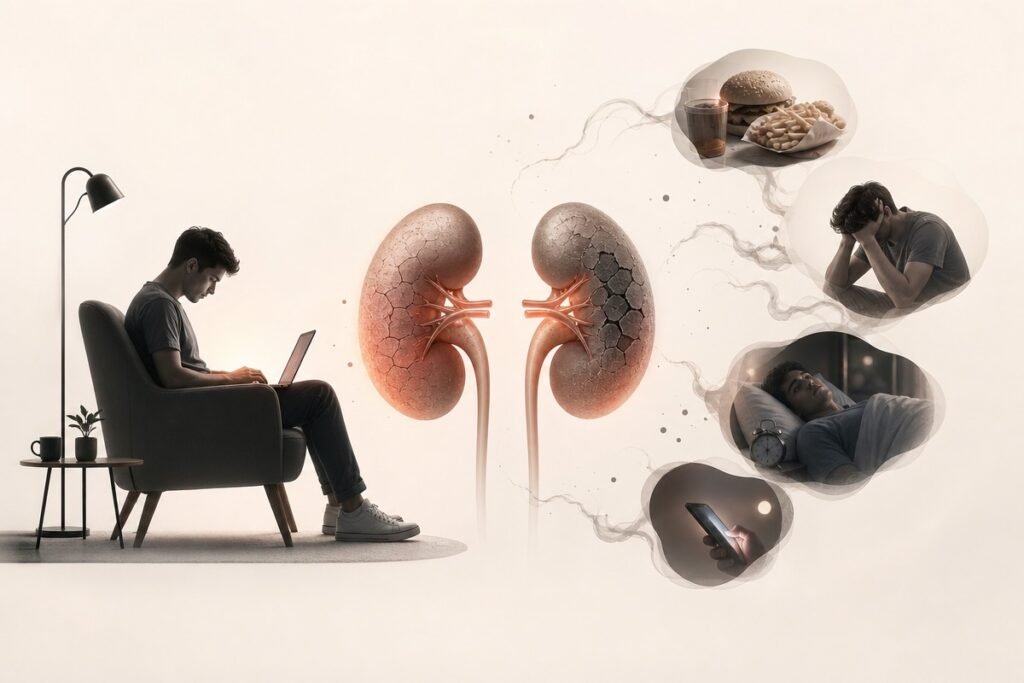
Why You Need a Nephrologist: Early Signs of Kidney Disease You Shouldn’t Ignore For most people, kidney disease doesn’t begin with pain—it begins with silence. No clear warning, no sudden discomfort—just small changes in your body that are easy to ignore.By the time symptoms become serious, the damage may already be significant. That’s why consulting a Nephrologist in Mumbai like Dr. Chandan Chaudhari at the right time is not just important—it can be life-saving. The Silent Threat You Shouldn’t Ignore Your kidneys work 24/7—filtering waste, balancing fluids, and keeping your body in check. But when they start to fail, the signs are often subtle.Many patients only discover the problem during routine tests or when the condition has already progressed. understanding these early warning signs can help you act before it’s too late. Early Warning Signs: What Your Body Is Telling You Kidney disease doesn’t always show clear symptoms in the beginning. However, here are some early warning signs you should pay attention to: Changes in Urination Are you going more often, especially at night? Or noticing foamy, dark, or reduced urine? These can be early red flags. Swelling That Doesn’t Go AwayPuffy feet, swollen ankles, or a bloated face may mean your kidneys are not removing excess fluid properly. Constant TirednessFeeling very tired even after resting? Waste buildup in your body can make you feel low on energy. Loss of Appetite & NauseaIf you suddenly don’t feel like eating or often feel like vomiting, it could mean your kidneys are not working well. High Blood PressureKidneys and blood pressure are closely connected. When one is affected, the other suffers too. The Modern Approach: Early Detection Saves Lives The biggest advantage today is awareness and early diagnosis. A qualified nephrologist focuses not just on treatment—but prevention and long-term kidney health.With timely care, it is possible to: Slow down kidney damage Avoid complications Reduce the need for dialysis Maintain a normal, healthy lifestyle If you are considering Kidney Disease treatment in Mumbai, early consultation can completely change the outcome. Myths vs Facts: Don’t Be Misled When it comes to kidney health, misinformation is common. Let’s clear a few myths: Sr. Myth Fact 1 Kidney disease always causes pain Most early-stage kidney problems are painless and go unnoticed 2 Only older people get kidney disease Diabetes, stress, and lifestyle factors are causing kidney issues even in younger individuals 3 If I feel fine, my kidneys are healthy Kidney disease can progress silently without noticeable symptoms 4 Drinking more water can cure kidney disease Water helps, but it cannot reverse existing kidney damage 5 Dialysis is the only treatment for kidney problems Early-stage kidney disease can often be managed with medication and lifestyle changes Who Should Be Extra Careful? Certain people are at higher risk and should not delay check-ups: Diabetic patients People with high blood pressure Individuals with a family history of kidney disease Those with unhealthy lifestyle habits Regular screening can help detect problems before they become serious. When Should You See a Nephrologist? Don’t wait for severe symptoms. Consult a specialist if you notice: Swelling in your legs, feet, or face Changes in urination patterns Persistent fatigue or weakness High blood pressure that is difficult to control Conclusion Kidney disease doesn’t develop overnight—but ignoring the early warning signs can make it serious. The good news is that with timely care and the right guidance, it can be managed effectively. An experienced nephrologist like Dr. Chandan Chaudhari doesn’t just treat the disease—he helps you protect your long-term kidney health. If your body is showing signs, don’t ignore them. Taking action today can prevent serious complications in the future.

Kidney Health
Nephrology

This World Health Day: Simple Steps to Improve Your Kidney Health

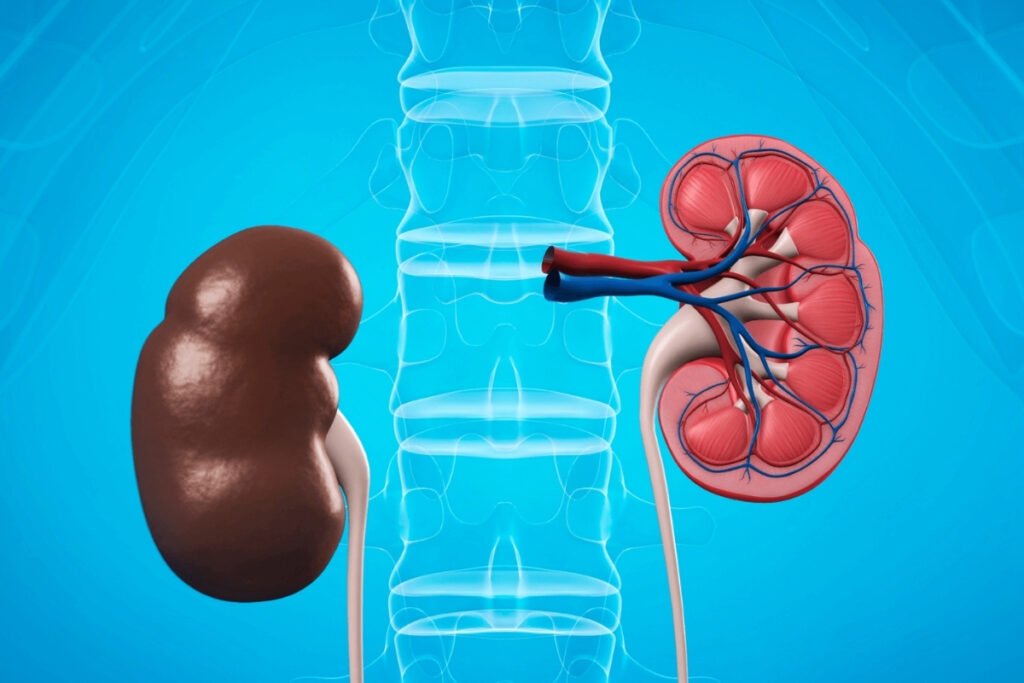
This World Health Day: Simple Steps to Improve Your Kidney Health When was the last time you really thought about your kidneys? Probably not recently—and you’re not alone. These small, bean-shaped organs quietly work 24/7 to remove toxins, balance fluids, and keep your body running smoothly. The problem? Kidney issues often don’t show clear symptoms until they become serious. That’s why this World Health Day is the perfect reminder to start caring for your kidneys before problems begin. With expert guidance from Kidney Transplant Specialist in Mumbai, even small lifestyle changes can make a big difference in protecting your kidney health for the long term. Simple Steps to Improve Your Kidney Health Stay Hydrated for Better Kidney Function : Drinking enough water helps your kidneys flush out toxins and maintain proper function. It also reduces the risk of kidney stones. Try to drink water regularly throughout the day instead of all at once. 2. Monitor Blood Pressure and Blood Sugar: High blood pressure and diabetes are among the leading causes of kidney damage. If not managed properly, they can slowly affect kidney function over time and increase the risk of chronic kidney disease. Regular health check-ups, a balanced diet, and following your doctor’s advice are essential to keep these conditions under control. Important: Early detection can help prevent serious complications and support effective kidney disease prevention. 3. Follow a Healthy, Kidney-Friendly Diet: What you eat every day has a direct impact on your kidney health. A balanced and mindful diet not only supports your kidneys but also reduces the risk of long-term complications. Instead of following strict or complicated diets, focus on simple, home-cooked meals that include fresh fruits, vegetables, whole grains, and foods low in salt. These help reduce the burden on your kidneys and keep your body functioning smoothly. 4. Stay Active and Maintain a Healthy Weight Regular physical activity plays an important role in maintaining kidney health. Exercise helps control weight, improve blood circulation, and reduce the risk of diabetes and high blood pressure—two major causes of kidney disease. You don’t need intense workouts. Even simple activities like walking, yoga, or cycling for 30 minutes daily can make a big difference. Consistency is key—small efforts every day lead to long-term benefits and support overall kidney care. 5. Quit Smoking and Limit Alcohol Smoking reduces blood flow to the kidneys, while excessive alcohol intake can affect kidney function and increase blood pressure. Making healthier lifestyle choices can significantly improve your overall well-being and support kidney disease prevention. 6. Recognize Early Warning Signs Kidney problems often go unnoticed, but some early signs include: Swelling in legs or face Fatigue or weakness Changes in urination Loss of appetite Ignoring these symptoms can lead to serious conditions requiring treatments like dialysis or even a kidney transplant. Early action is always better. 7. Schedule Regular Health Check-Ups Regular health check-ups are one of the most effective ways to detect kidney problems early. Simple tests like blood and urine analysis can provide important insights into your kidney function. If you have risk factors like diabetes or high blood pressure, routine check-ups become even more important. Consulting an experienced nephrologist in Mumbai ensures timely diagnosis and proper treatment. When Should You See a Specialist? If you have diabetes, high blood pressure, or a family history of kidney disease, regular consultation is important. Early diagnosis can prevent complications and improve outcomes. Seeking expert guidance from a Kidney Transplant Specialist in Mumbai can help you understand your condition, manage risks, and receive advanced kidney care when needed. Conclusion Taking care of your kidneys doesn’t require drastic changes—just small, consistent efforts. Staying hydrated, eating a balanced diet, exercising regularly, and going for routine check-ups can go a long way in protecting your kidney health. This World Health Day, make a commitment to prioritize your health and encourage your loved ones to do the same. Prevention is always better than cure. For expert care, advanced treatment options, and personalized guidance, consult Dr. Chandan Chaudhari and take the right step toward a healthier future.

Nephrology

Everything You Need to Know About Chronic Kidney Disease

Everything You Need to Know About Chronic Kidney Disease: Stages, Symptoms, and Care Chronic Kidney Disease (CKD) is a long-term condition where the kidneys gradually lose their ability to function properly. Since kidneys play a vital role in filtering waste and maintaining fluid balance, any decline in their function can affect overall health. If you are looking for Chronic Kidney Disease Treatment in Mumbai, understanding the stages, symptoms, and proper care options, along with expert guidance from Dr. Chandan Chaudhari, can help you make informed decisions and manage the condition effectively. What is Chronic Kidney Disease? Chronic Kidney Disease develops slowly over time and may not show symptoms in its early stages. It often occurs due to conditions like diabetes, high blood pressure, or genetic disorders. Early detection is important to prevent further damage and complications. Stages of Chronic Kidney Disease CKD is divided into five stages based on how well the kidneys are working: Stage 1 (Mild Damage) :Kidney function is normal but there is slight damage present. At this stage, most people do not experience any noticeable symptoms, which makes early detection difficult without medical tests.Stage 2 (Mild Loss of Function) :There is a slight decrease in kidney efficiency, but the kidneys still perform most of their functions properly. Symptoms are usually minimal and may not be easily recognized.Stage 3 (Moderate Damage) :At this stage, waste products begin to build up in the blood as kidney function declines further. Patients may start experiencing symptoms such as fatigue, weakness, and swelling in the body.Stage 4 (Severe Damage) :Kidney function is significantly reduced, and the condition becomes more serious. Symptoms are more noticeable and may require regular medical care and monitoring.Stage 5 (Kidney Failure) :The kidneys can no longer function properly, leading to a critical condition. At this stage, treatments such as dialysis or a kidney transplant may be required to sustain life. Common Symptoms of CKD If you notice these symptoms, it is important to consult a kidney specialist early. In many cases, symptoms appear only in later stages. Some common signs include: Constant fatigue and weakness Swelling in legs, ankles, or face Changes in urine (frequency, color, or amount) Shortness of breath Nausea or vomiting Difficulty concentrating High blood pressure Causes and Risk Factors Managing these risk factors can help slow down disease progression. Several conditions can increase the risk of CKD: Diabetes High blood pressure Heart disease Family history of kidney problems Obesity Smoking Diagnosis and Monitoring Doctors use several tests to diagnose and monitor Chronic Kidney Disease. Blood tests are conducted to check how well the kidneys are functioning, while urine tests help detect the presence of protein or other abnormalities. Imaging tests such as ultrasounds are also used to examine the structure of the kidneys. In addition, regular monitoring of blood pressure is important, as it is closely linked to kidney health. Early diagnosis plays a key role in planning effective treatment and improving overall outcomes. Treatment and Care Options While CKD cannot always be reversed, proper treatment can slow its progression and improve quality of life.1. Lifestyle Changes :Maintaining a balanced diet is essential for kidney health, along with reducing the intake of salt and processed foods. Staying physically active helps improve overall well-being, while avoiding smoking and alcohol further protects the kidneys from additional damage.2. Medications :Medications are important in managing Chronic Kidney Disease, as they help control blood pressure and diabetes, manage cholesterol levels, and reduce swelling and fluid buildup in the body.3. Advanced Care :In more advanced stages of the disease, treatments such as dialysis may be required to support kidney function, and in some cases, a kidney transplant may be necessary. Regular follow-ups with a nephrologist are essential for effective management.4. Importance of Early Care :Early care can prevent complications such as heart disease, bone problems, and complete kidney failure. With proper medical guidance, many patients live a stable and active life even with CKD. Conclusion Chronic Kidney Disease is a serious but manageable condition when detected early and treated properly. Understanding its stages, recognizing symptoms, and following the right care plan can make a significant difference in long-term health. If you are searching for Chronic Kidney Disease Treatment in Mumbai, consulting an experienced nephrologist ensures personalized care, timely intervention, and better outcomes for your kidney health.

Nephrology

Kidney Transplant Surgery

Kidney Transplant Surgery: What to Expect Before, During & After the Procedure Kidney failure can have a serious impact on overall health and daily life, making timely and effective treatment essential. With advancements in medical science, kidney transplantation has become one of the most reliable and effective solutions for long-term recovery and improved quality of life.A kidney transplant is a major medical procedure that can greatly improve the quality of life for patients suffering from kidney failure, especially when choosing a Kidney Transplant Specialist in Mumbai under the expert care of Dr. Chandan Chaudhari. Understanding the complete process from surgery to recovery helps patients and their families feel more confident and well-prepared for the journey ahead. The Transplant Surgery: What to Expect When a suitable kidney is available and confirmed, you will proceed to surgery. This is an important stage in the transplant process. Proper preparation and the right medical guidance play a key role in ensuring a smooth and successful procedure. Before Surgery Before the transplant surgery, you will be admitted to the hospital for final preparations. During this time, several important steps will be completed to ensure you are ready for the procedure.1. Pre-Surgical Check-In: You’ll be admitted to the hospital.2. Pre-Operative Preparation: Blood tests, chest X-ray, and an IV line will be placed.3. Meeting the Team: You’ll meet your surgeon, anesthesiologist, and nurses who will explain the procedure and answer any last-minute questions. During Surgery The kidney transplant surgery is performed under general anesthesia, ensuring that you are asleep and comfortable throughout the procedure.1. Anesthesia: You will be given general anesthesia, so you will be asleep and feel no pain.2. Placement: The new kidney is typically placed in your lower abdomen, usually on the right or left side, separate from your own kidneys (which are usually left in place unless they cause problems).3. Connections: The surgeon will connect the new kidney’s artery and vein to your blood vessels, and the ureter (tube carrying urine) to your bladder.4. Duration: The surgery usually takes 3–5 hours. After Surgery (Immediate Post-Op) After the surgery is completed, you will be closely monitored to ensure a smooth and safe recovery.1. Post-Operative Care Unit: After surgery, you are monitored in a specialized post-operative care unit, with transfer to the ICU if needed.2. Tubes and Lines: You’ll have various tubes for monitoring, including an IV line, a urinary catheter, and possibly a drain near the incision.3. Pain Management: Pain medication will be provided to keep you comfortable.4. Early Mobilization: You will be encouraged to get up and move as soon as possible to aid recovery. Life After Transplant: The Recovery Phase The recovery phase after a kidney transplant is equally important as the surgery itself. It involves careful monitoring, medication management, and gradual return to normal activities.The initial recovery period usually includes a hospital stay of about 5–10 days, followed by several weeks or months of close monitoring at home. Hospital Stay During your hospital stay, your medical team will closely observe your progress and guide you through the next steps of recovery.1. Monitoring: Your new kidney function will be closely monitored through blood tests and urine output.2. Medication Education: You will receive extensive education on your new medications, especially immunosuppressant.3. Diet and Activity: You will gradually return to a normal diet and increase your activity levels. First Few Weeks/Months at Home Once discharged, you will continue your recovery at home with regular follow-ups and necessary precautions.1. Frequent Follow-Ups: You’ll have frequent blood tests and clinic visits to ensure the kidney is functioning well and to adjust medications.2. Activity Restrictions: You’ll need to avoid heavy lifting and strenuous activity initially to allow your incision to heal.3. Infection Prevention: You’ll be given instructions on how to minimize your risk of infection.4. Emotional Adjustment: It’s common to experience a range of emotions. Lean on your support system and communicate with your team. Conclusion Kidney transplant surgery is a life-saving procedure that requires proper understanding, preparation, and post-operative care. By knowing what to expect before, during, and after the surgery, patients can approach the process with greater confidence and clarity. Choosing a Kidney Transplant in Mumbai under the expert guidance of Dr. Chandan Chaudhari ensures advanced treatment, personalized care, and better outcomes. With the right medical support and careful follow-up, recovery can be smooth, helping patients return to a healthier and more active life.

Nephrology

Understanding Kidney Donors

Understanding Kidney Donors: Living vs Deceased Transplant Options Kidney transplantation is often the most effective treatment for patients suffering from end-stage kidney disease. When the kidneys are no longer able to properly filter waste and excess fluids from the body, a transplant can significantly improve a patient’s quality of life and long-term health outcomes.One of the most important steps in the transplant process is finding a suitable kidney donor. Donor kidneys generally come from two main sources. Understanding these options helps patients and families make informed decisions about their treatment and transplant journey, especially when guided by experienced professionals such as Dr. Chandan Chaudhari, a trusted name for Kidney Transplant in Mumbai. What Is a Kidney Transplant? A kidney transplant is a surgical procedure in which a healthy kidney from a donor is placed into a patient whose kidneys are no longer functioning properly. The transplanted kidney takes over the function of filtering blood, removing waste products, and maintaining the body’s fluid and electrolyte balance.Kidney transplants can provide several benefits compared to long-term dialysis, including improved energy levels, better overall health, and a longer life expectancy. Sources of Kidney Donors :There are two main types of kidney donors:1. Deceased Donor Kidney Transplant2. Living Donor Kidney TransplantEach option has its own process, advantages, and waiting time. Deceased Donor Kidney Transplant A deceased donor transplant involves receiving a kidney from a person who has been declared brain dead but whose organs remain healthy for donation. With the consent of the donor’s family, organs can be donated to patients who are waiting for life-saving transplants. How the Process Works :Patients who need a kidney transplant are placed on a national organ transplant waiting list. When a kidney becomes available, transplant teams match it with the most suitable recipient based on several factors, including:1. Blood group compatibility2. Tissue matching3. Body size and organ suitability4. Medical urgency5. Time spent on the waiting listOnce a suitable match is identified, the transplant team immediately contacts the patient to prepare for surgery. Waiting Time :The waiting period for a deceased donor kidney can vary significantly. In many cases, patients may need to wait two to five years or longer depending on blood type, tissue compatibility, and the availability of donor organs in the region. Although the waiting time may be long, deceased donor transplants provide a life-saving option for patients who do not have a living donor. Living Donor Kidney Transplant A living donor transplant occurs when a healthy individual donates one of their kidneys to a patient with kidney failure. Since a person can live a healthy life with only one kidney, living donation is considered safe when proper medical evaluation is performed.In many cases, living donors are close family members, such as parents, siblings, children, or spouses, depending on local transplant regulations. How the Process Works :1. Evaluation of Donor & Recipient: Both donor and recipient undergo detailed medical tests to ensure compatibility and overall fitness for surgery.2. Matching & Approval: Blood group compatibility, tissue matching, and legal clearances are completed as per transplant guidelines.3. Surgical Planning: Once approved, the transplant surgery is carefully scheduled at a suitable time for both donor and recipient.4. Transplant Procedure: The donor kidney is surgically removed and transplanted into the recipient during a planned operation.5. Recovery & Follow-Up: Both donor and recipient are closely monitored after surgery, with regular follow-ups to ensure long-term health and success. Benefits of Living Donor Transplants :Living donor kidney transplants offer several advantages compared to deceased donor transplants.1. Shorter Waiting Time: The transplant procedure can be scheduled once the donor and recipient complete medical evaluations, significantly reducing waiting time.2. Better Long-Term Success: Kidneys from living donors generally function longer and have higher success rates.3. Planned Surgery: Because the procedure is scheduled in advance, the transplant team can prepare carefully, improving overall outcomes.4. Safe Donation Process: Healthy donors undergo detailed medical testing to ensure that kidney donation will not affect their long-term health. Most donors recover quickly and return to normal activities within a few weeks. Modern Kidney Transplant Techniques for Better Donor Matching ABO Incompatible Kidney Transplant EXPLANATION : In this type of transplant, the donor and recipient may have different blood groups. Special treatments and medications are used before and after surgery to reduce rejection risk. BENEFIT FOR PATIENTS : Increases the chances of finding a a suitable donor even if blood groups do not match. 2. Paired Kidney Exchange Program EXPLANATION : When a living donor is not compatible with their intended recipient, two or more donor–recipient pairs are matched to exchange kidneys. BENEFIT FOR PATIENTS : Helps patients receive a compatible kidney and reduces waiting time. 3. Pre-emptive Kidney Transplant EXPLANATION : A transplant performed before a patient needs long-term dialysis treatment. BENEFIT FOR PATIENTS : Improves long-term health outcomes and avoids dialysis complications. 4. Desensitization Therapy EXPLANATION : Special medical treatments are used to reduce antibodies in the recipient’s body before transplant surgery. BENEFIT FOR PATIENTS : Makes transplantation possible even when there is a higher risk of rejection. Conclusion Both deceased donor and living donor kidney transplants play a vital role in saving the lives of patients with kidney failure. While deceased donor transplants depend on organ availability and may involve longer waiting times, living donor transplants offer faster access to surgery and often better outcomes. For those considering a Kidney Transplant Specialist in Mumbai, expert care from specialists like Dr. Chandan Chaudhari can make a significant difference in treatment success. Patients should discuss all available options with their transplant specialist to determine the most suitable approach. With proper medical guidance and support, kidney transplantation can significantly improve survival, health, and overall quality of life.

Scroll to Top