
How Can You Reduce Fatigue During Dialysis?
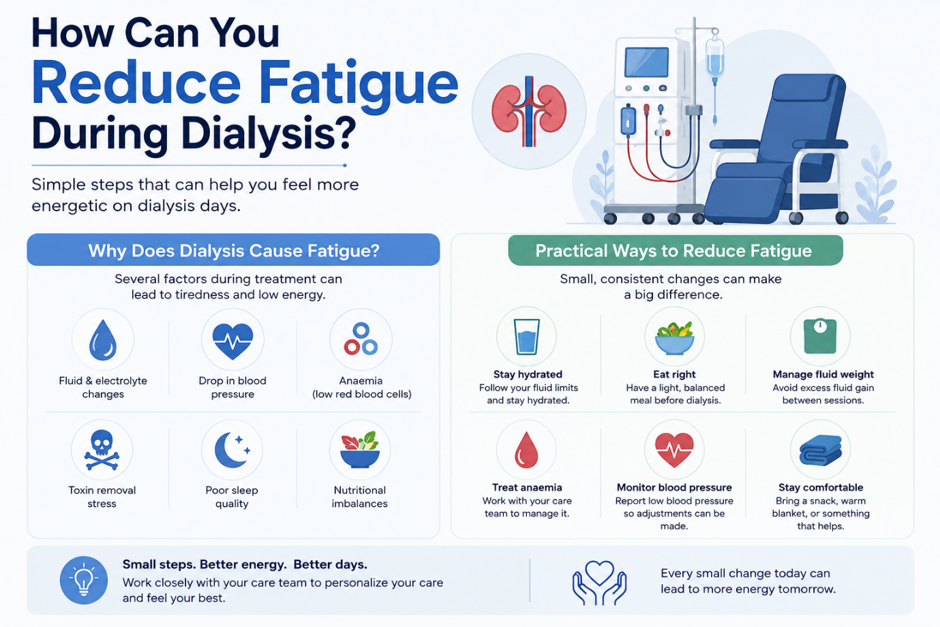
Feeling drained after a dialysis session is something most patients experience, and it can be discouraging when it happens session after session. Many people wonder if this level of tiredness is simply something they have to live with, or if there’s a way to feel more energetic on dialysis days. The good news is that fatigue during dialysis is common, but it can often be reduced with the right approach.
Dialysis places real demands on the body, so some tiredness is expected. Still, ongoing exhaustion doesn’t have to be your new normal. Understanding why it happens, and what practical steps can help makes a meaningful difference to daily comfort and quality of life.
Why Does Dialysis Cause Fatigue?
Dialysis fatigue isn’t just “being tired.” It happens due to a mix of physical and biological factors:
- Rapid changes in fluid and electrolyte levels during treatment
- Drop in blood pressure, which can leave you feeling weak or lightheaded
- Anaemia, since kidneys that aren’t functioning well produce less of the hormone that supports red blood cell production
- Toxin removal process, which is physically demanding on the body
- Poor sleep quality, often linked to dialysis schedules or discomfort
- Nutritional imbalances, especially with restricted diets
Understanding these causes helps explain why fatigue isn’t a sign of doing something wrong. It’s simply part of how the body responds to treatment.
What Are the Common Symptoms of Dialysis-Related Fatigue?
Fatigue can show up differently from person to person, but common signs include:
- Feeling physically drained during or right after a session
- Difficulty concentrating or “brain fog”
- Muscle weakness, especially in the legs
- Low motivation to do usual daily activities
- Needing a longer recovery time between sessions
- Disturbed or poor-quality sleep
If fatigue feels unusually severe or lasts well beyond your usual recovery window, it’s worth mentioning to your care team rather than assuming it’s expected.
What Increases the Risk of Severe Fatigue?
Some patients experience more pronounced fatigue than others. Common contributing factors include:
- Untreated or poorly managed anaemia
- Excess fluid weight gain between sessions
- Low blood pressure during dialysis
- Inadequate protein or calorie intake
- Depression or emotional stress, which often accompanies chronic illness
- Underlying heart conditions
Recognising these risk factors allows your nephrologist to adjust your treatment plan more precisely, rather than treating fatigue as unavoidable.
How Can You Reduce Fatigue During Dialysis Sessions?
This is where small, consistent changes tend to make the biggest difference.
- Stay well-hydrated between sessions while following your fluid limits carefully.
- Eat a light, balanced meal before dialysis, avoiding heavy or overly salty food.
- Manage fluid weight gain, since large fluid shifts during treatment often worsen fatigue.
- Ask about anaemia management, as correcting it can significantly improve energy levels.
- Communicate blood pressure drops so your care team can adjust dialysis settings if needed.
- Bring a light snack or a warm blanket, small comforts that can ease the physical strain of long sessions.
Prevention Tips for Long-Term Energy Management
Beyond individual sessions, a few consistent habits support better energy over the long run:
- Follow your prescribed diet and fluid guidelines closely.
- Attend all scheduled lab tests so anaemia and electrolyte levels can be monitored.
- Stay physically active within your doctor’s recommendations.
- Address emotional wellbeing, since chronic fatigue is often linked to stress or low mood.
- Keep an open dialogue with your care team about how you’re feeling, session to session.
Managing Energy Is Part of Managing Your Health
Fatigue during dialysis is common, but it isn’t something you simply have to accept without question. With the right combination of hydration, nutrition, anaemia management, and rest, many patients notice a real improvement in how they feel on treatment days. Small, consistent adjustments often add up to a meaningful difference over time.
If fatigue has been affecting your daily life more than it should, it’s worth discussing with your care team rather than pushing through it alone. Dr. Chandan Chaudhari, a kidney transplant specialist in Mumbai, recommends a personalised review of your dialysis plan for patients struggling with persistent fatigue, so the right adjustments can be made to help you feel more like yourself.