
Kidney Stone Risk During Hot Weather: What You Should Know
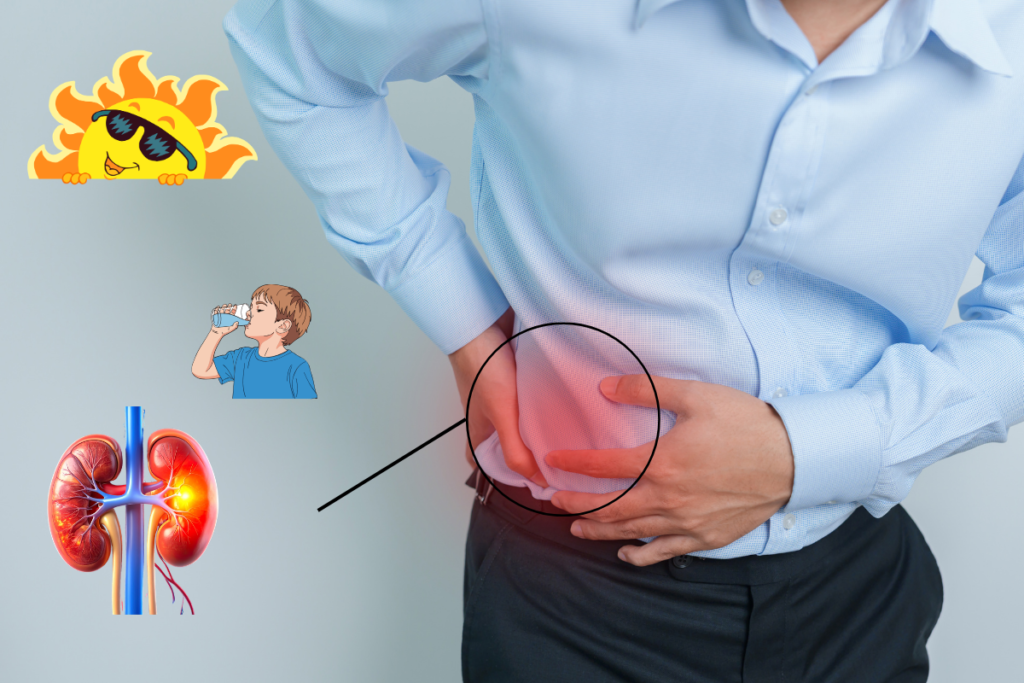
Summer heat is really bad for our bodies. When it’s hot, we sweat a lot, get dehydrated, and spend time outside in the heat. This can make us more likely to get kidney stones, especially if we don’t drink water. Many people don’t know that not drinking water can cause a lot of pain and problems when urinating.
Kidney stones happen often in the summer because our bodies lose water fast when it’s hot. This makes our urine thicker. When our urine is thicker, it’s easier for minerals and salts to form crystals in our kidneys.
Why Hot Weather Increases Kidney Stone Risk
The kidneys assist in filtering out the waste products and minerals present in the bloodstream. Such waste is excreted from the body through urine. When temperatures rise, there will be a loss of fluid from the body in the form of sweat.
Urine that is highly concentrated contains minerals such as calcium, oxalate, and uric acid that tend to clump and form hard crystals, leading to kidney stones.
People living in warm and humid cities like Mumbai may face a greater risk, especially during peak summer months.
Common reasons kidney stones increase during hot weather:
- Dehydration resulting from heavy perspiration
- Not consuming enough water during the course of the day
- Walking outside for a considerable period of time
- Consume high amounts of sugar and salty drinks
- Often consume fast food products
- Ignore early signs of urinary Symptoms
Even mild dehydration over several days can increase the chance of stone formation.
What Exactly Are Kidney Stones?
Kidney stones are deposits made of minerals and salts that form inside the kidneys. They can be as small as grains of sand. Get really big and block the urinary tract.
There are types of kidney stones. These include:
- Calcium stones. hey are the common type. Dehydration, what you eat, and your body’s chemistry can cause them.
- Uric acid stones. You might get these if you eat a lot of meat or have conditions, like gout.
- Struvite stones. They usually happen when you have a urinary tract infection.
- Cystine stones. They are rare and happen because of conditions.
The size and location of the kidney stone often decide what symptoms you get and how its treated.
Kidney Stone Prevention During Hot Weather
The good news is that many kidney stones can be prevented with healthy daily habits. Prevention becomes especially important during the summer.
How to Reduce Kidney Stone Risk in Hot Weather
Stay Properly Hydrated
This is the most important step.
Try to drink enough fluids so your urine remains pale yellow or almost clear. Dark yellow urine is often a sign of dehydration.
Helpful hydration tips:
- Drink water consistently without getting thirsty
- Consume more water after sweating or physical activity
- Also include coconut water/lemon water once in a while
- Limit sugary soft drinks
People who sweat heavily may require even more fluids than average.
Reduce Excess Salt Intake
A high-sodium diet increases calcium levels in urine, which may promote stone formation.
Try to limit:
- Packaged snacks
- Instant noodles
- Chips and processed foods
- Excess pickles and salty foods
- Restaurant fast food
Choosing fresh home-cooked meals can support kidney health.
Be Careful With Sugary Drinks
Soft drinks and high-sugar beverages may increase kidney stone risk in some individuals.
Instead, choose:
- Plain water
- Fresh fruit-infused water
- Buttermilk
- Lemon water without excess sugar
Small changes in beverage habits can make a meaningful difference over time.
Don’t Ignore Repeated Urinary Infections
Urinary tract infections can sometimes contribute to certain types of kidney stones. If you experience burning urination, fever, or repeated infections, proper treatment is important.
Recovery and Lifestyle After Kidney Stone Treatment
Recovery does not end after stone removal. Preventing recurrence is equally important.
Long-term prevention tips:
- Continue adequate hydration daily
- Follow dietary recommendations
- Reduce excess salt and junk food
- Attend follow-up appointments
- Stay physically active
- Manage conditions like diabetes and obesity
People who develop one kidney stone have a higher chance of developing another in the future, so consistent prevention matters.
Protecting Kidney Health During Hot Weather
The connection between hot weather and kidney stone risk is real, where dehydration can happen quickly. Paying attention to hydration, diet, and early symptoms can help protect your kidneys and prevent unnecessary complications.
If you are experiencing recurring kidney stone symptoms, severe urinary pain, or repeated infections, timely medical evaluation is important. Dr. Chandan Chaudhari, expert kidney specialist in Mumbai provides comprehensive kidney stone evaluation and advanced treatment approaches focused on patient comfort, faster recovery, and long-term kidney health.