
Can Diabetes Slowly Damage Your Kidneys Without Any Warning?
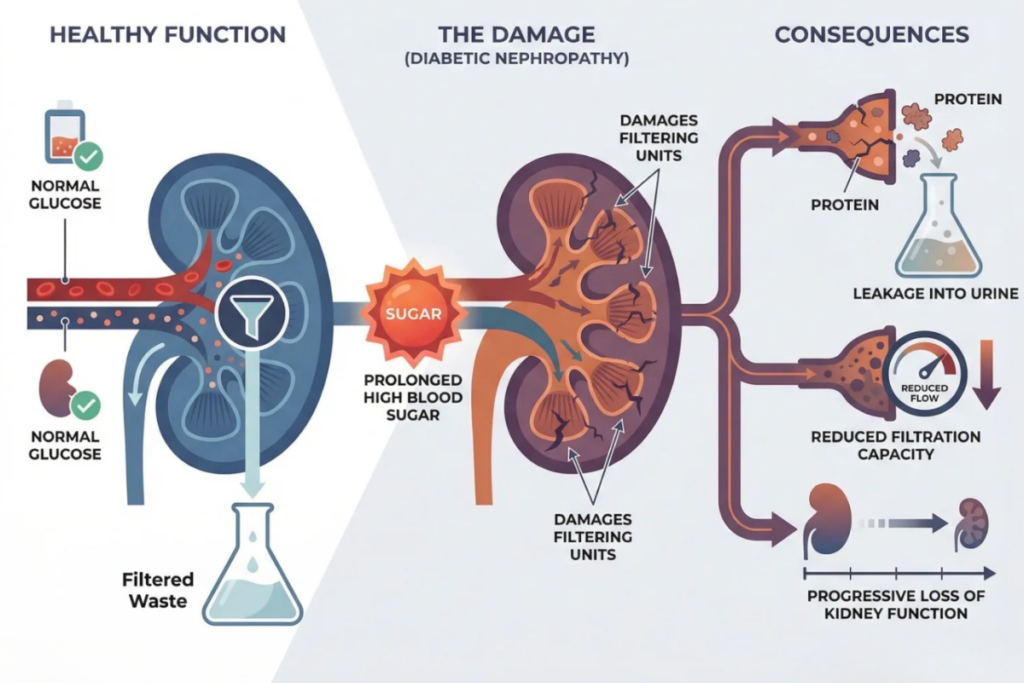
Diabetes is one of the leading causes of kidney disease worldwide. What makes it especially concerning is that kidney damage often develops quietly. Many people feel completely normal until significant damage has already occurred. This silent progression is why understanding the link between diabetes and kidney health is so important.
High blood sugar levels can gradually damage the tiny blood vessels inside the kidneys, reducing their ability to filter waste properly. With timely diagnosis, regular monitoring, and proper diabetes management, the risk of serious kidney complications can be significantly reduced.
Understanding the Connection Between Diabetes and Kidney Damage
Your kidneys act like natural filters. They remove waste, extra fluid, and toxins from the blood while maintaining healthy mineral and fluid balance in the body.
When blood sugar remains high for a long time, it damages the tiny blood vessels inside the kidneys. Over time, these filters become weak and less effective. This condition is called diabetic kidney disease or diabetic nephropathy.
The challenging part is that kidney damage caused by diabetes often develops gradually and silently.
Can Diabetes Damage Your Kidneys Without Symptoms?
Yes, it can.
In the early stages of diabetic kidney disease, many patients do not experience noticeable symptoms. Kidney function may slowly decline for years without causing pain or obvious health changes.
This is why many people discover kidney damage only during routine blood tests or urine examinations.
Why Is Kidney Damage Often Silent?
The kidneys are highly adaptable organs. Even when they are partially damaged, they can continue functioning reasonably well. Because of this:
- There may be no pain
- Urination may appear normal initially
- Energy levels may remain unchanged in the early stages
- Symptoms usually appear only after significant damage develops
This silent nature makes regular diabetes monitoring essential.
Prevention: What You Can Start Doing Today
Many of the steps that treat early kidney disease are also the most effective preventive measures.
- Monitor your blood sugar daily and attend regular HbA1c checks
- Get your urine and kidney function tested at least once a year
- Control your blood pressure consistently
- Stay well-hydrated with water — avoid excess sugary or carbonated drinks
- Avoid nephrotoxic (kidney-harmful) medications — such as frequent NSAIDs like ibuprofen, without medical guidance
- Quit smoking if you smoke
- Maintain a healthy weight through a balanced diet and regular movement
- Work with a registered dietitian familiar with diabetic kidney care
Small, consistent habits protect your kidneys far more than any single intervention.
Treatment Options: Slowing the Damage, Protecting What's Left
There is no cure for the kidney damage that has already occurred. But treatment can significantly slow the progression — and in some cases, even partially stabilize kidney function.
Blood Sugar Management
Keeping HbA1c below 7% (or as recommended by your doctor) is the single most effective way to reduce the risk of diabetic kidney disease progressing. Newer diabetes medications, particularly SGLT2 inhibitors (like empagliflozin and dapagliflozin), have shown strong evidence in clinical trials for protecting kidney function — independent of their glucose-lowering effects.
Blood Pressure Control
Keeping blood pressure below 130/80 mmHg is critical. Medications called ACE inhibitors or ARBs are often the first choice — they not only control blood pressure but also have a protective effect on the kidney’s filtering units.
Diet Adjustments
Reducing sodium intake, limiting dietary protein to recommended levels, and avoiding high-potassium or high-phosphorus foods (in advanced stages) all help reduce strain on the kidneys.
Dialysis or Transplant (Advanced Stages)
In cases where kidney function has dropped significantly (below 15%), dialysis or kidney transplantation may become necessary. This is why early intervention matters so much — reaching this stage is what treatment aims to prevent.
Protecting Your Kidneys Starts With Paying Attention Early
Diabetes may not always cause immediate symptoms, but silent kidney damage can slowly develop over time if blood sugar levels remain uncontrolled. That is why regular health checkups, timely testing, and proper diabetes management are so important.
According to Dr. Chandan Chaudhari, early awareness can help patients avoid serious kidney complications and maintain a healthier quality of life. Simple habits like controlling blood sugar, managing blood pressure, eating mindfully, and staying active can make a meaningful difference in protecting kidney health for the future.