How Lifestyle and Processed Foods Are Damaging Your Kidneys
Let’s be honest. Nobody wakes up in the morning thinking about their kidneys. You think about your heart, your blood pressure, maybe your sugar levels — but your kidneys? They quietly do their job, filtering about 200 litres of blood every single day, and we barely give them a second thought. Until something goes wrong.
In my decade of clinical experience as a Kidney Transplant Specialist in Mumbai, I have seen a troubling pattern. More and more patients — younger patients, many in their 30s and 40s — are walking into my clinic with significantly damaged kidneys. And when we trace back the cause, the answer is almost always the same: the way they have been eating and living.
This is not about blame. This is about awareness. And if you are reading this, you are already taking the first step.
What Do Your Kidneys Actually Do?
Think of your kidneys as the world’s most sophisticated water purification plant — built right inside your body. They filter out waste, balance fluids, regulate blood pressure, produce hormones, and even help your bones stay strong. All of this, 24 hours a day, silently, without any fanfare.
Now imagine what happens when you consistently pour low-quality, chemical-laden fuel into that purification system. Over time, it begins to struggle. The filters get clogged. The pressure builds. And slowly, the damage accumulates.
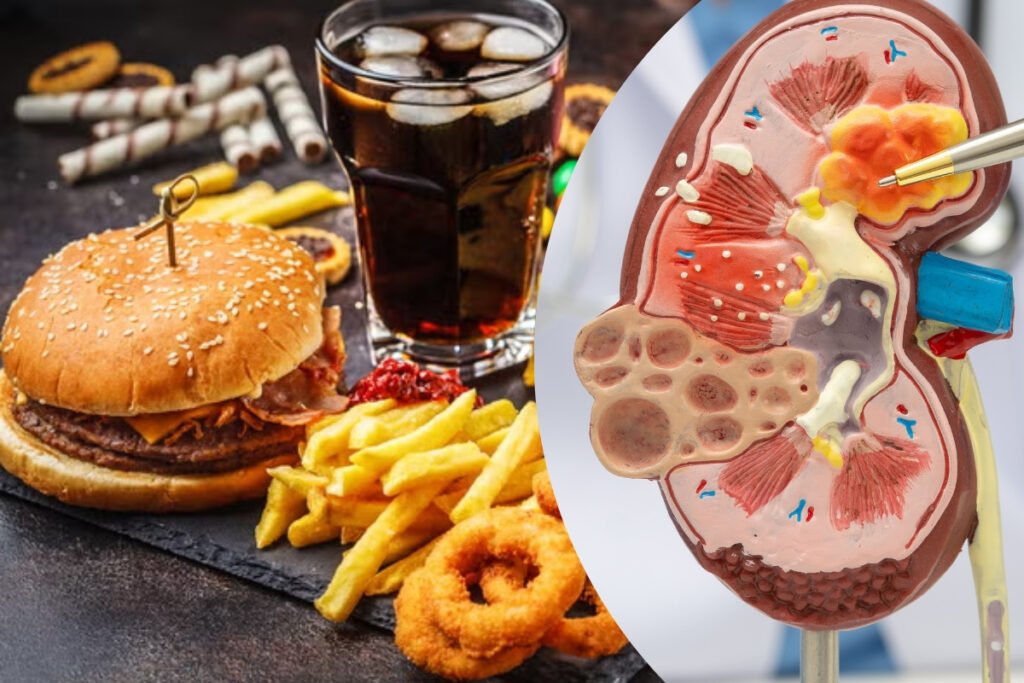
This is what happens when we rely on ultra-processed foods, high-sodium diets, sugary beverages, and sedentary habits as the foundation of our daily lives.
How Do Processed Foods Harm the Kidneys?
Processed foods are convenient, but they often contain excessive amounts of salt, sugar, preservatives, and unhealthy fats. These ingredients force the kidneys to work much harder than they should.
Too Much Salt Increases Blood Pressure
Many packaged foods contain hidden sodium, including:
- Chips and namkeen
- Instant noodles and ready-to-eat meals
- Frozen foods
- Processed meats
- Sauces and ketchup
- Bakery items like bread, biscuits, and puffs
When the body receives excess sodium, it holds onto more water. This increases blood pressure, and high blood pressure is one of the leading causes of kidney damage.
Sugary Drinks and Diabetes Damage Kidney Filters
Soft drinks, packaged juices, energy drinks, and desserts increase blood sugar levels. Over time, uncontrolled diabetes damages the tiny blood vessels inside the kidneys.
Imagine those blood vessels as delicate tea strainers. Constant exposure to high sugar weakens them, causing protein leakage and reduced filtering ability.
This is why diabetes remains one of the biggest reasons patients eventually need dialysis or transplant treatment.
Preservatives and Chemicals Add Extra Stress
Processed foods often contain additives designed to improve shelf life and flavor. While occasional consumption may not cause immediate harm, regular intake increases inflammation in the body.
Inflammation acts like a slow-burning fire. It quietly damages organs over time, including the kidneys.
What Are the Warning Signs You Should Never Ignore?
If you notice these symptoms, it is important to consult a kidney specialist early. In many cases, symptoms appear only in later stages. Some common signs include:
- Constant fatigue and weakness
- Swelling in legs, ankles, or face
- Changes in urine (frequency, color, or amount)
- Shortness of breath
- Nausea or vomiting
- Difficulty concentrating
- High blood pressure
Causes and Risk Factors
Managing these risk factors can help slow down disease progression. Several conditions can increase the risk of CKD:
- Diabetes
- High blood pressure
- Heart disease
- Family history of kidney problems
- Obesity
- Smoking
Diagnosis and Monitoring
Doctors use several tests to diagnose and monitor Chronic Kidney Disease. Blood tests are conducted to check how well the kidneys are functioning, while urine tests help detect the presence of protein or other abnormalities. Imaging tests such as ultrasounds are also used to examine the structure of the kidneys. In addition, regular monitoring of blood pressure is important, as it is closely linked to kidney health. Early diagnosis plays a key role in planning effective treatment and improving overall outcomes.
Treatment and Care Options
While CKD cannot always be reversed, proper treatment can slow its progression and improve quality of life.
1. Lifestyle Changes :
Maintaining a balanced diet is essential for kidney health, along with reducing the intake of salt and processed foods. Staying physically active helps improve overall well-being, while avoiding smoking and alcohol further protects the kidneys from additional damage.
2. Medications :
Medications are important in managing Chronic Kidney Disease, as they help control blood pressure and diabetes, manage cholesterol levels, and reduce swelling and fluid buildup in the body.
3. Advanced Care :
In more advanced stages of the disease, treatments such as dialysis may be required to support kidney function, and in some cases, a kidney transplant may be necessary. Regular follow-ups with a nephrologist are essential for effective management.
4. Importance of Early Care :
Early care can prevent complications such as heart disease, bone problems, and complete kidney failure. With proper medical guidance, many patients live a stable and active life even with CKD.
Conclusion
Chronic Kidney Disease is a serious but manageable condition when detected early and treated properly. Understanding its stages, recognizing symptoms, and following the right care plan can make a significant difference in long-term health. If you are searching for Chronic Kidney Disease Treatment in Mumbai, consulting an experienced nephrologist ensures personalized care, timely intervention, and better outcomes for your kidney health.