Managing Kidney Disease Without Dialysis: Is It Possible?
Hearing that you may need dialysis can be really scary. A lot of people think that if they have kidney disease, they will have to go on dialysis. This is not always the case. If kidney disease is found early and treated, it is possible to manage it without dialysis.
If you are looking for Kidney Disease Treatment in Mumbai, it is an idea to learn about the options that do not involve dialysis. This can help you make choices and feel less worried about what is going to happen. With the help of a doctor who knows a lot about kidneys, like Dr. Chandan Chaudhari, in Mumbai, many people are able to slow down the kidney disease and put off dialysis. Sometimes they do not need it at all.
Understanding Kidney Disease: Slowing the Progression
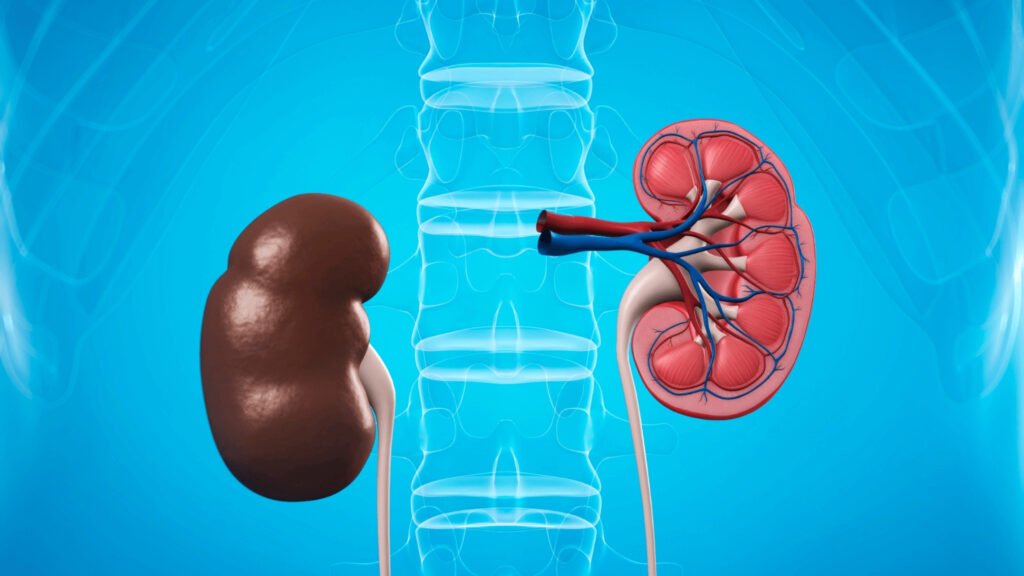
Your kidneys do a lot of work. They filter out the stuff, balance the fluids in your body, and make sure you have the right amount of minerals. When your kidneys start to get weaker, your body can still handle it for a long time.
Dialysis is usually only needed when things get really bad. This happens when:
- Kidney function gets very low, like below 10 to 15 percent
- There is much waste in your blood
- You get very swollen
- You have trouble breathing
- Your potassium levels get too high, and that can be very dangerous
But before it gets to this point, there is a lot of time where you can get treatment, and you do not need dialysis. Your kidneys are very important, and treatment without dialysis is possible, for a time. Kidney function is something that needs to be taken care of and watched closely.
Can Kidney Disease Be Managed Without Dialysis?
Dialysis becomes necessary only when the kidneys lose a significant amount of their function, typically at Stage 5 or what doctors call End-Stage Renal Disease (ESRD). If you’re diagnosed before reaching that point, there are several ways to manage the condition and protect your remaining kidney function.
Here’s what an effective kidney disease management plan typically looks like:
- Controlling the Root Cause
A lot of people in Mumbai get kidney disease because of diabetes and high blood pressure. These two problems can hurt the kidneys badly over time without us even knowing it. If we take the medicine and make some changes to our daily life, we can slow down the kidney disease.
This is very important for people who have kidney disease. For people with kidney disease, keeping diabetic kidney disease under control is crucial. When we keep our blood sugar levels under control, it can make a difference in how our kidneys work over time. Managing diabetic kidney disease is key to taking care of our kidneys.
- A Kidney-Friendly Diet
The food you eat has an impact on your Kidney-Friendly Diet and how hard your kidneys have to work. When you follow a diet that a doctor who specializes in kidneys, a nephrologist, recommends, it can make a difference. This Kidney-Friendly Diet limits certain things, such as:
- Sodium because it helps reduce fluid retention and blood pressure
- Potassium and phosphorus, because they can cause problems if you have too much of them
- Too much protein because it can make your kidneys work even harder
Following a Kidney-Friendly Diet can really help slow down kidney disease. This is not about eating little food. It is about making smart choices with the food you eat for your Kidney-Friendly Diet.
- The Right Medications
Certain medications help protect the kidneys from damage. These include medicines that reduce protein leakage in the urine. They also control blood pressure in the vessels of the kidneys. Additionally, they manage complications, like anaemia or bone disease, that often come with CKD.
Your nephrologist will create a plan that suits your condition. They will not use a one-size-fits-all approach. The plan will be tailored to your needs.
- Regular Monitoring
Kidney disease doesn’t always give obvious warning signs. Regular blood tests (creatinine, eGFR), urine tests, and blood pressure monitoring allow your doctor to track how well the kidneys are functioning and adjust the treatment plan before things worsen.
This approach is commonly used in Kidney Dialysis Treatment in Mumbai, particularly for patients who want to delay dialysis safely.
When Does Dialysis Become Necessary?
It is important to have expectations. Dialysis is a life-saving treatment, not a sign of failure. A kidney doctor will usually suggest dialysis when:
- Your kidney function drops to a point where harmful toxins are causing severe symptoms.
- Fluid buildup starts to affect your heart or lungs.
- Medications and diet changes are no longer enough to keep your electrolyte levels balanced.
By starting kidney disease treatment you give yourself the best chance to stay in the pre-dialysis phase for as long as possible, with kidney disease treatment
Take the Next Step for Kidney Care
Kidney disease does not always mean dialysis. With early treatment, proper medications, diet changes, and control of conditions like diabetes and high blood pressure, kidney function can often be managed effectively. Regular monitoring and timely medical care help slow disease progression and reduce complications.
For those considering diabetic kidney disease treatment in Mumbai, consulting Dr. Chandan Chaudhari, Kidney Transplant Specialist, can help determine the most suitable non-dialysis treatment approach based on individual kidney health.