
Understanding Kidney Donors: Living vs Deceased Transplant Options
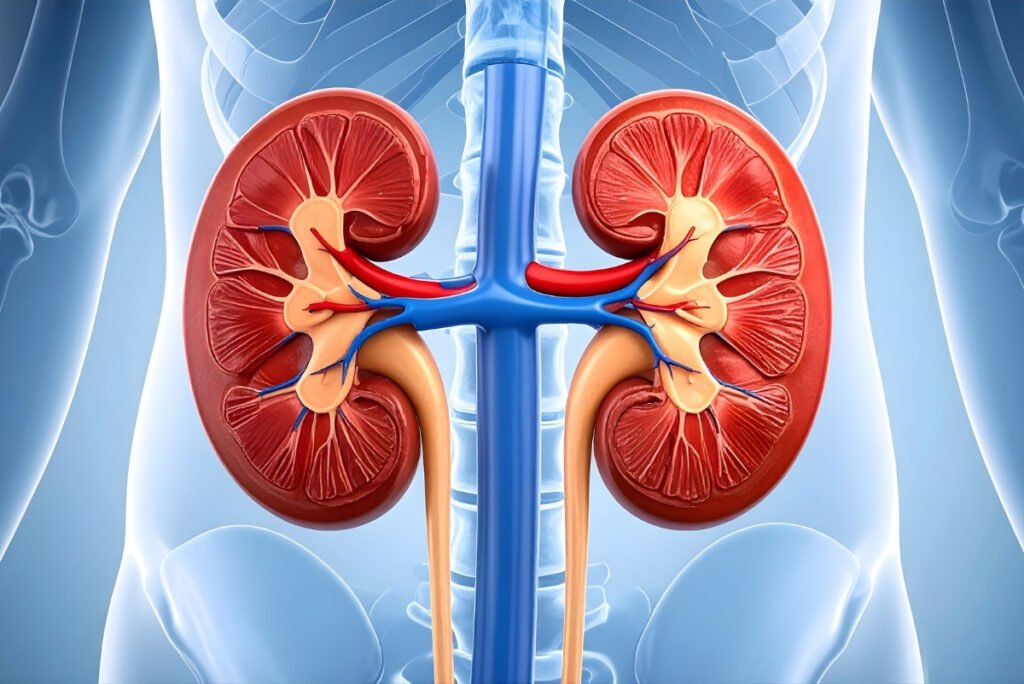
Kidney transplantation is often the most effective treatment for patients suffering from end-stage kidney disease. When the kidneys are no longer able to properly filter waste and excess fluids from the body, a transplant can significantly improve a patient’s quality of life and long-term health outcomes.
One of the most important steps in the transplant process is finding a suitable kidney donor. Donor kidneys generally come from two main sources. Understanding these options helps patients and families make informed decisions about their treatment and transplant journey, especially when guided by experienced professionals such as Dr. Chandan Chaudhari, a trusted name for Kidney Transplant in Mumbai.
What Is a Kidney Transplant?
A kidney transplant is a surgical procedure in which a healthy kidney from a donor is placed into a patient whose kidneys are no longer functioning properly. The transplanted kidney takes over the function of filtering blood, removing waste products, and maintaining the body’s fluid and electrolyte balance.
Kidney transplants can provide several benefits compared to long-term dialysis, including improved energy levels, better overall health, and a longer life expectancy.
Sources of Kidney Donors :
There are two main types of kidney donors:
1. Deceased Donor Kidney Transplant
2. Living Donor Kidney Transplant
Each option has its own process, advantages, and waiting time.
Deceased Donor Kidney Transplant
A deceased donor transplant involves receiving a kidney from a person who has been declared brain dead but whose organs remain healthy for donation. With the consent of the donor’s family, organs can be donated to patients who are waiting for life-saving transplants.
- How the Process Works :
Patients who need a kidney transplant are placed on a national organ transplant waiting list. When a kidney becomes available, transplant teams match it with the most suitable recipient based on several factors, including:
1. Blood group compatibility
2. Tissue matching
3. Body size and organ suitability
4. Medical urgency
5. Time spent on the waiting list
Once a suitable match is identified, the transplant team immediately contacts the patient to prepare for surgery. - Waiting Time :
The waiting period for a deceased donor kidney can vary significantly. In many cases, patients may need to wait two to five years or longer depending on blood type, tissue compatibility, and the availability of donor organs in the region. Although the waiting time may be long, deceased donor transplants provide a life-saving option for patients who do not have a living donor.
Living Donor Kidney Transplant
A living donor transplant occurs when a healthy individual donates one of their kidneys to a patient with kidney failure. Since a person can live a healthy life with only one kidney, living donation is considered safe when proper medical evaluation is performed.
In many cases, living donors are close family members, such as parents, siblings, children, or spouses, depending on local transplant regulations.
- How the Process Works :
1. Evaluation of Donor & Recipient: Both donor and recipient undergo detailed medical tests to ensure compatibility and overall fitness for surgery.
2. Matching & Approval: Blood group compatibility, tissue matching, and legal clearances are completed as per transplant guidelines.
3. Surgical Planning: Once approved, the transplant surgery is carefully scheduled at a suitable time for both donor and recipient.
4. Transplant Procedure: The donor kidney is surgically removed and transplanted into the recipient during a planned operation.
5. Recovery & Follow-Up: Both donor and recipient are closely monitored after surgery, with regular follow-ups to ensure long-term health and success. - Benefits of Living Donor Transplants :
Living donor kidney transplants offer several advantages compared to deceased donor transplants.
1. Shorter Waiting Time: The transplant procedure can be scheduled once the donor and recipient complete medical evaluations, significantly reducing waiting time.
2. Better Long-Term Success: Kidneys from living donors generally function longer and have higher success rates.
3. Planned Surgery: Because the procedure is scheduled in advance, the transplant team can prepare carefully, improving overall outcomes.
4. Safe Donation Process: Healthy donors undergo detailed medical testing to ensure that kidney donation will not affect their long-term health. Most donors recover quickly and return to normal activities within a few weeks.
Modern Kidney Transplant Techniques for Better Donor Matching
- ABO Incompatible Kidney Transplant
EXPLANATION : In this type of transplant, the donor and recipient may have different blood groups. Special treatments and medications are used before and after surgery to reduce rejection risk.
BENEFIT FOR PATIENTS : Increases the chances of finding a a suitable donor even if blood groups do not match.
2. Paired Kidney Exchange Program
EXPLANATION : When a living donor is not compatible with their intended recipient, two or more donor–recipient pairs are matched to exchange kidneys.
BENEFIT FOR PATIENTS : Helps patients receive a compatible kidney and reduces waiting time.
3. Pre-emptive Kidney Transplant
EXPLANATION : A transplant performed before a patient needs long-term dialysis treatment.
BENEFIT FOR PATIENTS : Improves long-term health outcomes and avoids dialysis complications.
4. Desensitization Therapy
EXPLANATION : Special medical treatments are used to reduce antibodies in the recipient’s body before transplant surgery.
BENEFIT FOR PATIENTS : Makes transplantation possible even when there is a higher risk of rejection.
Conclusion
Both deceased donor and living donor kidney transplants play a vital role in saving the lives of patients with kidney failure. While deceased donor transplants depend on organ availability and may involve longer waiting times, living donor transplants offer faster access to surgery and often better outcomes. For those considering a Kidney Transplant Specialist in Mumbai, expert care from specialists like Dr. Chandan Chaudhari can make a significant difference in treatment success.
Patients should discuss all available options with their transplant specialist to determine the most suitable approach. With proper medical guidance and support, kidney transplantation can significantly improve survival, health, and overall quality of life.